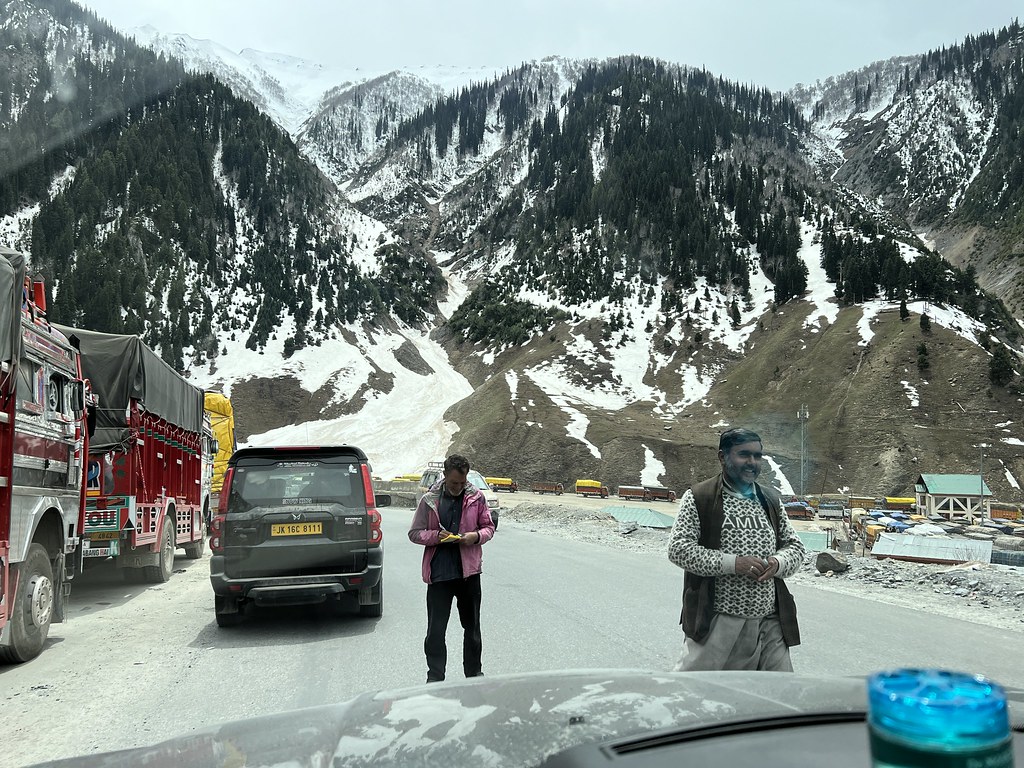
Ladakh in November is no longer a normal summer road trip. Winter has arrived, temperatures drop sharply, the main Manali–Leh approach is normally outside its operating season, and travellers need to plan around cold, road conditions, accommodation availability and shorter days.
But November also reveals a side of Ladakh that summer travellers miss.
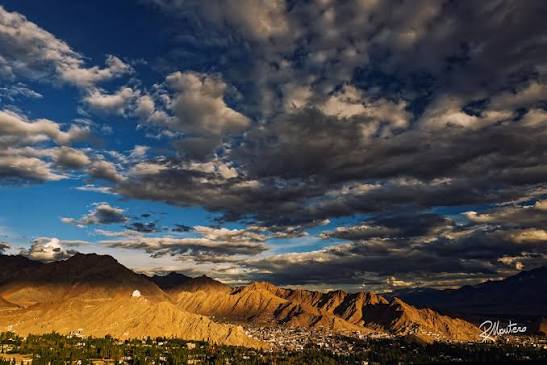
The crowds thin out. The mountains become quieter. The air gets brutally cold, the landscape starts changing into winter, and everyday life in Leh begins to revolve around the coming cold season.
Official Ladakh Tourism now places November through February in the winter season, alongside snow landscapes, the Chadar Trek and Losar Festival. The District Leh administration also specifically classifies November–April travellers as winter visitors who need heavy woollens, warm boots, gloves and face protection.
If you're searching for Ladakh in November weather, Ladakh temperature in November, Leh Ladakh in November, Ladakh road conditions in November, or wondering whether Ladakh is open in November, this guide explains what you need to know before booking your Ladakh winter trip.
Is Ladakh open in November?
Yes.
But there is a big difference between Ladakh being open and every famous road, pass, hotel and tourist attraction operating normally.
Official Ladakh Tourism currently treats November–February as the winter season. The District Leh administration says Leh can be reached by air throughout the year, while the Srinagar–Leh Highway normally remains open until November/December. In contrast, the normal operating season for the Manali–Leh Highway ends around September/October.
That makes November a very different month from August or September.
If you are flying into Leh, November is still a realistic travel month.
If you are planning a road trip, your route needs much more attention.
Always cross-check the daily mountain pass advisories on our live Ladakh Road Status tracker before planning any road journey.
What is Ladakh weather like in November?
Cold.
Not “carry a jacket because it gets chilly.”
Actual winter cold.
The official District Leh administration states that winter night temperatures in Leh can plunge to around -30°C, while daytime winter temperatures can range roughly from -25°C to -10°C. Ladakh Tourism's current winter advisory also warns that winter temperatures can fall to -30°C and advises visitors travelling between October and March to carry adequate cold-weather clothing and emergency supplies.
These are broad winter figures, not a guaranteed temperature for every November day.
That distinction matters.
A sunny afternoon in Leh can feel much more manageable than the temperature number suggests, especially when you are standing in direct sunlight. However, Leh weather in November shifts dramatically once the sun drops behind the mountain ridges, causing conditions to change rapidly.
And high-altitude destinations are colder still.
So don't pack for the number on your phone.
Pack for the environment.
What is the Ladakh temperature in November?
There isn't one useful “Ladakh temperature.”
Leh, Nubra Valley, Pangong, Tso Moriri and the high mountain passes all have different conditions.
The official Leh administration gives winter temperatures for the region broadly rather than a precise November forecast.
For a traveller, the more useful interpretation is:
- Leh: Cold during the day, very cold after sunset, particularly as November progresses.
- High passes: Much colder and more exposed to wind, sub-zero windchill, and snowfall.
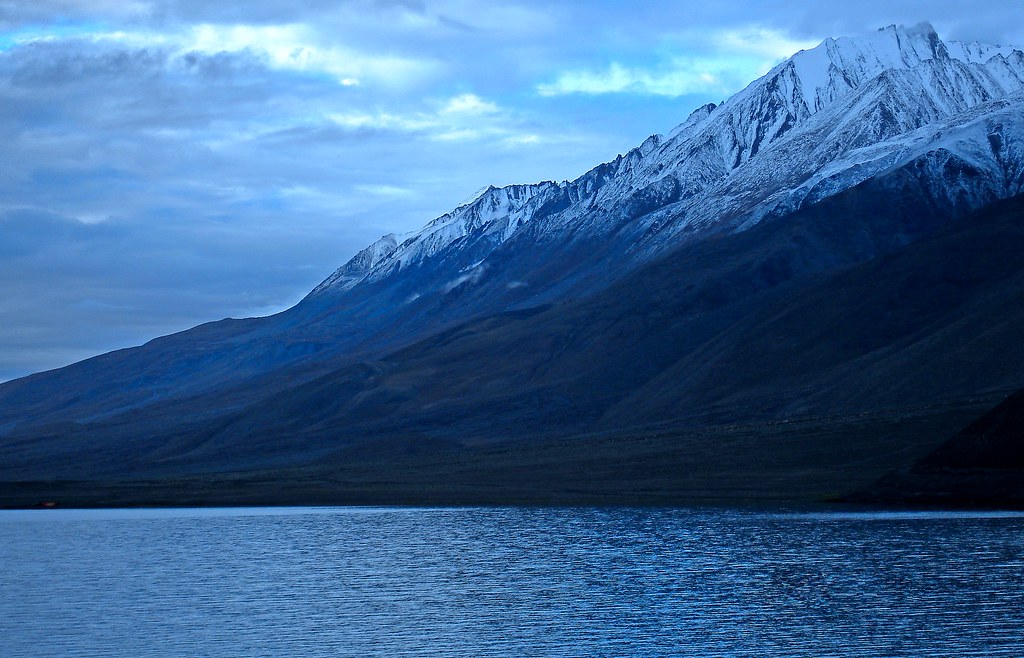
- Pangong and Tso Moriri: Expect serious cold because of their elevation (above 14,000 ft) and raw exposure.
- Nubra Valley: Conditions vary by location and elevation, but winter is firmly established by November.
- Kargil and Drass: Different from Leh again; the western side of Ladakh has its own climatic pattern and winter access issues.
| Region / Destination | Altitude | Typical Day Temp | Typical Night Temp | Winter Character |
|---|---|---|---|---|
| Leh Town | 3,500 m (11,500 ft) | 3°C to 8°C | -5°C to -12°C | Dry, clear, sharp sunlight, freezing dusk |
| Nubra Valley (Diskit/Hunder) | 3,048 m (10,000 ft) | 4°C to 10°C | -4°C to -10°C | Lower altitude, cold nights, desert winds |
| Pangong Tso (Spangmik) | 4,350 m (14,270 ft) | -2°C to 4°C | -12°C to -22°C | Severe wind chill, shoreline beginning to ice |
| High Passes (Khardung La / Chang La) | 5,359 m (17,582 ft) | -8°C to -3°C | -18°C to -28°C | Sub-zero tarmac, black ice, sudden flurries |
| Drass Valley | 3,280 m (10,760 ft) | -1°C to 5°C | -10°C to -20°C | Sub-zero daytime chill, gateway to Zoji La |
| Kargil Town | 2,676 m (8,780 ft) | 4°C to 11°C | -3°C to -9°C | River valley cold, key transit hub on NH-1 |
Don't take an average monthly number and use it as your packing plan.
Check the forecast for the exact place and dates.
Early November vs late November: does it really matter?
Yes.
This is one of the biggest differences between a useful November guide and a generic one.
Early November (Nov 1–10)
The first part of November is still closer to the end of the autumn transition. Road conditions need checking, but travelling from Srinagar remains more feasible because the official Srinagar–Leh window extends into November under normal conditions. Daytime sunshine still makes Leh feel manageable, though heavy winter woollens are already necessary.
Mid-November (Nov 11–20)
The winter character becomes much stronger. Cold nights become a major part of the experience, high passes become weather-sensitive, and the number of tourist facilities operating outside Leh becomes noticeably limited. Flexibility in your daily itinerary becomes essential.
Late November (Nov 21–30)
Late November should be treated as pure winter travel. Don't plan around summer assumptions. The Manali route is closed to tourist traffic, and the Srinagar side becomes heavily dependent on snowfall. Flights into Leh are the only hassle-free entry point.
If you're flying, the trip remains much simpler from a route perspective. If you're driving, build your plans around the reality that Himalayan mountain weather dictates the timetable.
Can you travel to Ladakh by road in November?
Travelling to Ladakh in November by road is the primary question you should answer before booking anything.
According to the official District Leh administration, the major road approaches have different seasonal windows:
- Srinagar–Leh Highway: Normally open from May to November/December.
- Manali–Leh Highway: Normally open from May/June to September/October.
So November is not a normal Manali-to-Leh road-trip month.
The Srinagar route has a longer seasonal window, but “normally open” still does not mean guaranteed access on your exact travel date.
Mountain snow, weather conditions and road restrictions can change the situation within hours.
Check our live Srinagar Leh Highway Status updates before setting off.
What happens to the Manali–Leh Highway in November?
For practical planning, treat the Manali–Leh route as closed to normal tourist road travel by November.
The official Leh administration gives its normal operating period only until September/October.
That makes November completely different from August and September articles.
A traveller who finds an old article saying “Manali–Leh is open in November” should not trust it without checking current official notifications. Driving from Manali to Ladakh in November is virtually impossible because winter conditions dominate high passes like Baralacha La, Lachung La, and Tanglang La with severe black ice, zero maintenance camps, and heavy snow drifts.
If your goal is a November Ladakh road trip, the Srinagar side is the route that deserves checking. Read our detailed Manali to Leh Highway guide for complete pass operating calendars.
Can you travel from Srinagar to Leh in November?
Potentially, especially in early November, but current road conditions are the deciding factor. The highway from Srinagar to Ladakh in November represents the only overland corridor that might remain accessible before deep winter blizzards.
The official Leh administration states that the Srinagar–Leh Highway normally remains open until November/December.
The route passes through:
Srinagar → Sonamarg → Zoji La → Drass → Kargil → Lamayuru → Leh
That makes November particularly interesting for our Kargil-focused audience.
You aren't simply driving to Leh.
You're crossing Kashmir, entering through Zoji La pass, reaching Drass, travelling through Kargil and then continuing toward Leh.
But winter is arriving. Check the status of the route immediately before travelling:
Is November a good month for a Ladakh bike trip?
This is where I would be very conservative.
November is winter.
The official Leh administration's winter guidance specifically calls for heavy woollens, gloves, balaclavas or equivalent head protection and warm boots.
That tells you something.
A November motorcycle journey isn't just a normal summer ride with an extra jacket.
You're dealing with freezing conditions, morning black ice on shadow curves, biting windchill that penetrates ordinary gear in minutes, and weather-sensitive mountain roads where a breakdown can become life-threatening.
If you're an experienced cold-weather rider and are considering an early-November route, check the current road and weather situation before leaving and don't build an itinerary with no backup.
For most travellers, flying to Leh and hiring a local heated 4x4 or reliable local taxi makes far more practical sense in November. Review our Ladakh Bike Trip Guide & Itinerary to see how seasonal weather changes riding safety.
Why does Ladakh get so cold in November?
Ladakh is a high-altitude region with a dry climate, and winter brings a major drop in temperature.
The District Leh administration says winter temperatures at night can fall to around -30°C, while Ladakh Tourism's winter advisory gives similar extreme-temperature guidance.
The elevation is only part of the story:
- The air is exceptionally dry: Thin atmosphere holds virtually no heat once radiation stops.
- The nights are long: Rapid heat loss occurs over 14 hours of darkness.
- The sun disappears early behind peaks: Narrow valley shadows cause sudden 10°C to 15°C drops within minutes of sunset.
- Wind exposure becomes fierce: High passes amplify sub-zero air into dangerous windchill.
- Lakes and rivers freeze: Massive heat sinks at 14,000+ ft freeze from shore to center.
This is why a traveller might spend an afternoon in Leh feeling perfectly comfortable in direct sunlight and then need three warm layers immediately after sunset.
Does it snow in Ladakh in November?
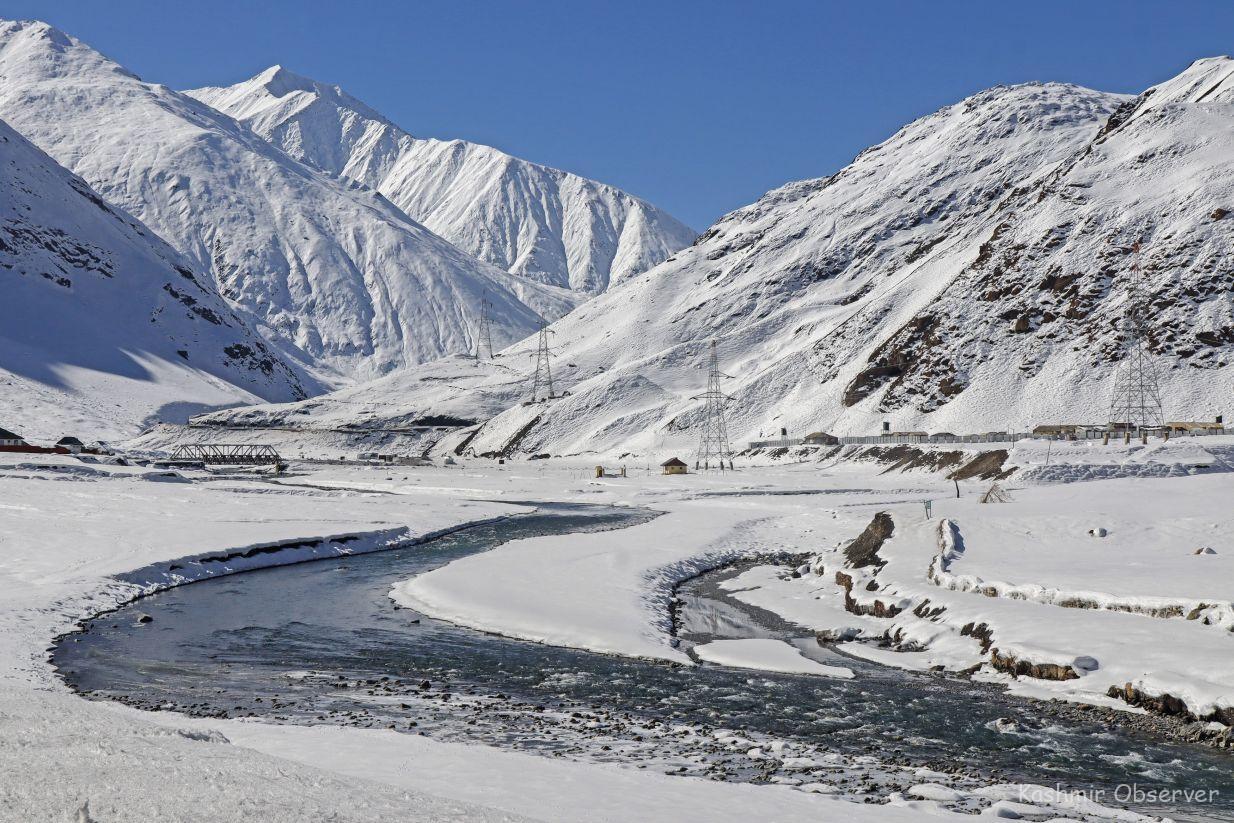
Ladakh snowfall in November is possible and common at higher elevations, but don't book the trip expecting the entire Leh Valley to be permanently covered in deep snow.
That's one of the myths created by winter photographs.
Ladakh Tourism describes November–February as the winter season and highlights snow landscapes, but snow conditions vary by place and by year.
High passes have a much better chance of encountering snow than Leh town.
A good November trip is therefore about experiencing the beginning of winter rather than demanding a guaranteed snow-covered postcard. If seeing heavy, deep snow is your only objective, the deeper winter months (January–February) are a different proposition.
Is Leh covered in snow in November?
Not necessarily.
You might see snow on surrounding peaks or receive snowfall during your trip without finding Leh town completely buried.
Historical traveller discussions also show this variation: people visiting in November have reported differing conditions, including trips with crisp blue skies and little snow around Leh itself.
That is why I wouldn't sell November as “Ladakh completely covered in snow.”
Sell the actual experience:
- Biting, invigorating cold
- Crisp, crystal-clear Himalayan air
- Changing, low-angled winter light for photography
- Quiet streets and monastery courtyards
- The real start of Ladakhi winter life
- Snow dusting where elevation allows
That's much more accurate and authentic.
What are the best things to do in Ladakh in November?
November changes what makes a good Ladakh itinerary. This isn't the month to spend the entire trip rushing through every high-altitude road on a packed schedule. Instead, experience the winter side of Ladakh.
1. Explore Leh without the summer rush
Leh is where your November trip should begin. Take your time walking around the main bazaar, exploring the old streets and visiting the major local sights. The quieter atmosphere is part of what makes the month interesting.
You also need time to acclimatize. The official Ladakh Tourism advisory requires travellers arriving in Leh to undergo at least 48 hours of complete rest before travelling to higher-altitude areas. So don't land at 8 AM and plan Pangong before lunch. Give your body time. Explore our Leh Travel Guide & Hotel Recommendations for heated winter options.
2. Visit Leh Palace
November light makes Leh's historic buildings look completely different from summer photographs. Leh Palace is one of the city's landmark heritage sites and works particularly well as an easy sightseeing stop while you're still acclimatizing. Pair it with an Old Town walking tour rather than spending an entire day driving somewhere remote.
3. Visit Shanti Stupa
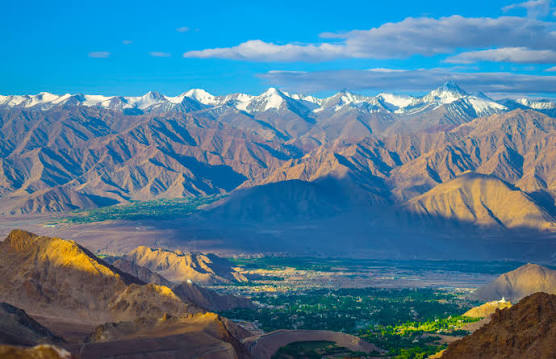
Shanti Stupa is another practical November sightseeing option because it is close to Leh town. The high-altitude vantage gives you broad, 360-degree views across the surrounding snow-dusted Stok Kangri range and Leh Valley. Go during late afternoon when the sunlight is golden and the winter air is clearest.
4. Explore monasteries
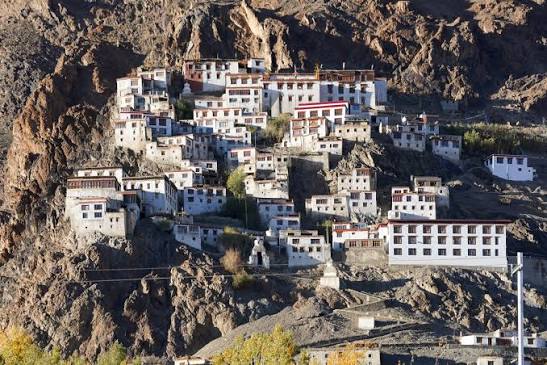
November is actually an exceptional time for monastery visits. The District Leh festival information lists Thiksey Gustor and Chemrey Wangchok in November, alongside other winter monastery festivals. These events are part of Ladakh's traditional winter cultural calendar. Check the official festival calendar for the year you travel because exact dates follow the Tibetan lunar calendar and can shift. Read more on Ladakh Monastery Festivals below.
5. Experience Ladakh's winter sports culture
If you're interested in ice hockey in Ladakh, November is when winter sports begin becoming part of the regional atmosphere. Ladakh's official tourism site specifically promotes ice hockey and other high-altitude sports, while the administration has invested heavily in winter-sports infrastructure.
In 2026, an international-level artificial ice hockey rink was inaugurated at NDS Stadium in Leh, allowing year-round training regardless of natural ice conditions. For a November visitor, check whether an official match, training session, tournament or public sporting event is taking place during your dates. See our Ice Hockey in Ladakh guide.
6. Experience the extreme cold — safely
This is one of those things travellers remember for a lifetime. November is the beginning of serious winter in Ladakh. You can experience the cold simply by being outside early in the morning, seeing frozen streams and fountain sprays develop into ice sculptures, watching your breath condense in the crisp air, and feeling the temperature drop sharply once the sun leaves the valley.
You do not need to deliberately expose yourself to dangerous temperatures. The point is to experience the environment, not to compete with a thermometer. Wear proper winter clothing and limit time outdoors if conditions become severe. Consult our Ladakh Winter Clothing Guide.
7. Visit Pangong Lake if conditions allow
Pangong Lake remains one of Ladakh's iconic places, but November changes the logistics entirely. The lake sits at roughly 4,350 metres (14,270 ft) above sea level, and temperatures become bitterly cold. A November trip to Pangong should therefore be based on current road conditions over Chang La pass, weather, and accommodation availability—not simply on a standard summer itinerary.
If you are properly acclimatized and the route is operating, the winter atmosphere around the lake is extraordinary. But don't sacrifice safety just to tick Pangong off a checklist.
8. Visit Nubra Valley if the route is operating
Nubra is another destination that depends heavily on current pass and road conditions across Khardung La in late autumn and winter. Don't assume that a summer route map automatically represents November conditions. Check the latest local road advisory. If access is clear, the valley offers a completely different view of Ladakh's winter sand dunes and frozen desert streams.
9. Explore Kargil and Drass
Kargil and Drass are not simply transit points. The western side of Ladakh experiences a different winter environment, and Drass in particular is famous as the second coldest inhabited place in the world, with extreme cold and heavy snow. If you are able to travel on the Srinagar–Leh route during early November, give Drass and Kargil more attention than the average itinerary does. See our sections on Drass in Winter and Kargil in November.
What is Kargil like in November?
Kargil moves firmly into winter by November.
The official Kargil administration states that in Drass and Zanskar, temperatures remain several degrees below zero even during the day from November through March.
The wider Kargil region is somewhat less severe than Drass, but winter still changes everyday life.
For travellers, Kargil is also important because road access becomes a central issue.
The Kargil administration says the main pass between Srinagar and Kargil (Zoji La) is liable to be blocked by snow from November to May, while the Kargil–Drass road remains open almost throughout the year. So a November Srinagar–Leh road journey should never be treated as guaranteed.
What is Drass like in November?
Drass is where the winter story becomes much more serious.
The Kargil administration describes Drass and Zanskar as having temperatures several degrees below freezing even during the daytime from November through March.
For travellers who specifically want an early taste of Ladakh's famous winter, Drass is one of the most interesting places to experience it.
But access matters more than photographs.
The Srinagar–Drass side is affected by snow and Zoji La conditions. Check the road before committing to the journey:
- Drass Weather forecast and sub-zero advisories
- Drass Road Status and Zoji La morning convoy updates
What clothes should you pack for Ladakh in November?
November is not the month to pack light summer layers and hope for the best.
The official District Leh administration specifically says winter visitors from November to April need heavy woollens, anoraks or heavy coats, gloves, balaclavas or equivalent head protection and warm boots.
A practical November system looks like this:
- Thermal innerwear: As your direct base layer (both top and bottom).
- A fleece or warm middle layer: Traps body warmth when moving between indoors and outdoors.
- A proper insulated down jacket: Heavy fill rated for -15°C or lower.
- A windproof outer layer: Stops mountain wind from cutting through clothing.
- Warm merino wool socks: Protect your feet against freezing stone floors and ground.
- Heavy insulated gloves: Essential for mornings, viewpoints, and road travel.
- A warm cap or beanie: Complete ear and forehead protection.
- Good winter footwear: Insulated boots with deep rubber lug traction.
- UV-400 sunglasses: Strong mountain UV reflections damage unprotected eyes.
- SPF 50+ Sunscreen: Cold weather still comes with intense high-altitude sunshine.
- Lip balm & moisturizer: November's dry winter air chaps lips and skin rapidly.
You want layers because indoor and outdoor temperatures can feel completely different.
November packing essentials
Preparing your cold-weather gear is the single most critical task for a November trip. Below are the mountain-tested essentials recommended for sub-zero Himalayan conditions:
Start with a proper thermal base layer. Moisture-wicking and heat-locking merino or heavy synthetic blend.
A fleece works as your middle layer when a T-shirt is no longer enough but a heavy parka feels excessive indoors.
For November evenings and high-altitude travel, a proper down or synthetic insulated jacket is a top priority.
Mountain wind drastically cuts through standard fabrics. A technical wind-stopper keeps freezing gale winds out.
Warm feet matter more than most first-time visitors expect. Bring at least 4–5 pairs of thick wool socks.
Especially useful for early mornings, outdoor sightseeing, photography and high-pass winter road travel.
Small enough to carry in your daypack, and useful as soon as the temperature drops when shadows lengthen.
Bright mountain sunlight doesn't disappear just because the temperature drops. Protect against harsh UV radiation.
Cold weather still comes with intense high-altitude sunshine that burns skin quickly through clear Himalayan skies.
November's cold, dry air is not kind to your lips. Keep medicated SPF lip balm constantly on hand.
Choose warm footwear with deep rubber lug traction that handles freezing ground and uneven rocky terrain safely.
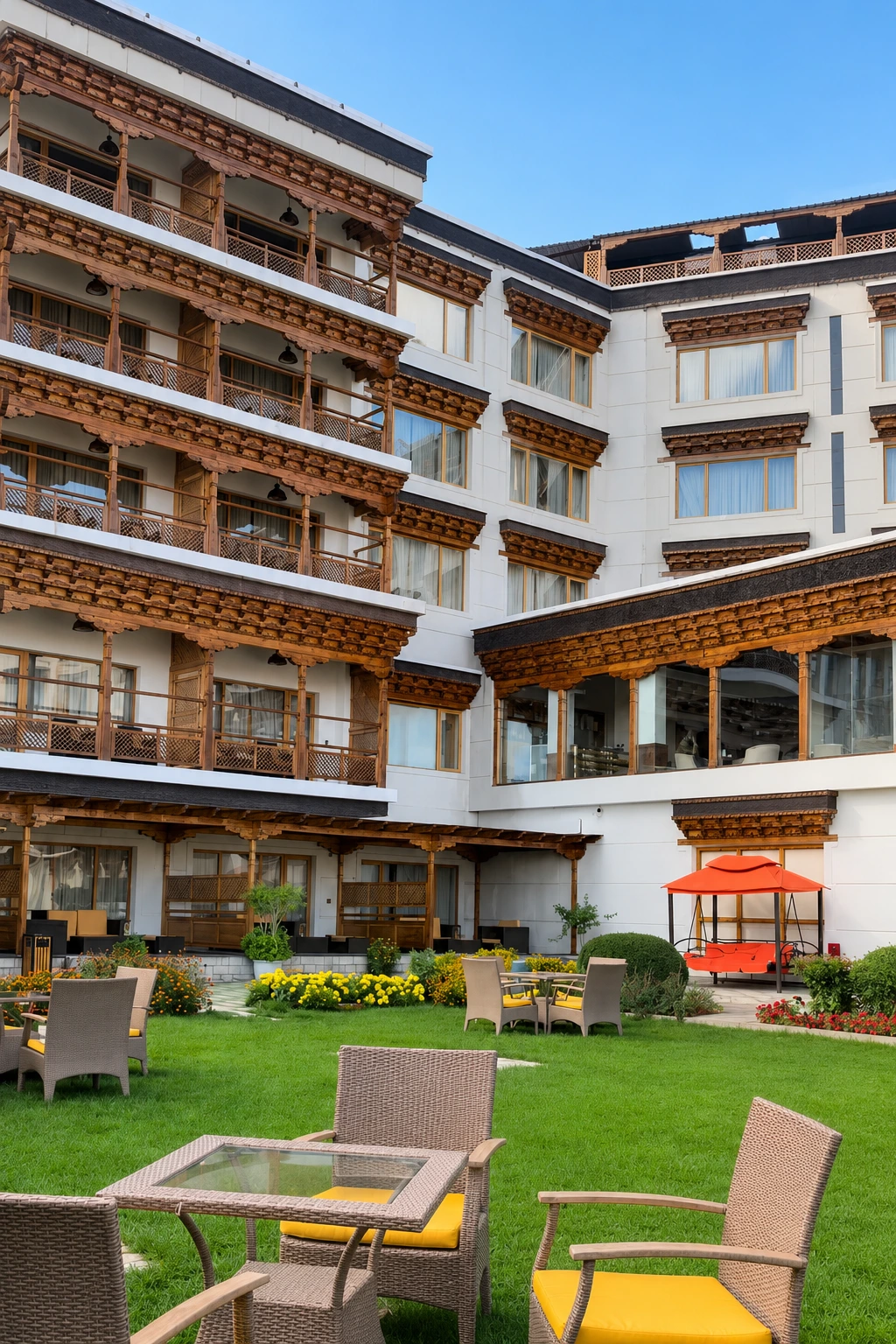
Do hotels remain open in Ladakh in November?
This is something you should check before booking your trip.
November is outside the main summer tourism period, and some accommodation businesses in tourist areas close or reduce operations as winter arrives.
The situation is not identical everywhere.
Leh has year-round accommodation options, but smaller and more seasonal destinations (such as Pangong, Nubra, and Tso Moriri) have fewer choices.
Recent traveller discussions also show that this is one of the practical questions people ask when planning a November trip: which markets, cafés and tourist facilities remain open?
Always call your accommodation before arrival and ask three simple questions:
- Is the property fully operating on my exact travel dates?
- Is active room heating (central heating, oil heaters, or bukhari wood stoves) provided?
- Is hot water available throughout the day without frozen pipes?
Don't assume an online booking portal confirms all three. Find verified winter-operating properties in our Leh Hotels Open in Winter guide.
Are restaurants open in Leh in November?
Leh is not a ghost town.
Some businesses continue operating through winter, but the selection is smaller than during peak summer.
That can actually be part of the attraction.
Instead of moving between dozens of transient tourist cafés, you start noticing the traditional bakeries, Tibetan kitchen stalls, and local restaurants that continue serving the local community through the cold months.
For late arrivals especially, confirm that your hotel has kitchen facilities running or ask hotel management about nearby operating restaurants before setting out into the evening cold.
Can you visit Pangong Lake in November?
Potentially, but this is a route-and-weather decision.
Pangong is at high altitude (4,350 m), and road conditions across Chang La pass entering winter become increasingly important.
Accommodation is another major factor.
A summer-style Pangong itinerary assumes plenty of operating lakeside tent camps. November is completely different: tented camps dismantle between early and mid-October due to frozen water pipes and severe sub-zero nighttime temperatures.
Before travelling to Pangong, confirm:
- Current road status over Chang La pass
- Current weather forecast and snowfall warnings
- Where you will stay (solid village homestays in Tangtse or Spangmik)
- Whether the accommodation is actively operating with heating arrangements
- Whether your driver/local operator considers the journey appropriate on that specific date
Don't treat an old summer itinerary as a November itinerary with warmer clothes. Read our comprehensive Pangong Lake travel guide.
Can you visit Nubra Valley in November?
Again, check the current road situation.
Nubra is not automatically “closed” simply because November has arrived, but high-pass conditions over Khardung La (17,982 ft) become much more critical as winter develops.
If conditions are suitable, Nubra offers a beautiful contrast to Leh—its sand dunes at Hunder with double-humped Bactrian camels framed by snow-capped Karakoram ridges are stunning.
If pass conditions are poor due to fresh blizzards or severe black ice, don't force it. Staying in Leh and enjoying local sights is far better than sitting stranded in a vehicle at 17,000 feet wishing you had turned back.
Is November good for photography?
For the right photographer, absolutely.
Summer Ladakh is full of tour groups, motorcycles and crowded viewpoints. November strips much of that away.
The colder air, changing vegetation, dramatic low-angle sunlight, early snow patches and low tourist activity give the landscape a completely different mood.
Sunrise and sunset take on greater importance because the daylight window is shorter.
Battery Warning: Severe cold drains lithium camera and phone batteries within minutes. Always carry spare batteries inside an interior pocket close to your body heat, and only swap them into the camera when actively shooting.
Check out our recommendations in Best Photography Places in Ladakh.
Is November good for stargazing?
Ladakh's high-altitude, exceptionally dry environment is one reason astronomy and astrophotography are promoted by Ladakh Tourism, including the Hanle Dark Sky Reserve.
November gives you long, dark, crystal-clear skies.
The problem is the cold itself.
A clear sky doesn't mean comfortable conditions. Temperatures after 8 PM routinely drop past -10°C to -15°C. Take heavy winter woollens, thermal gloves, and insulated boots seriously if you plan to remain outside after dark.
And check the actual local weather forecast before planning any outdoor night photography session.
What festivals happen in Ladakh in November?
November is part of Ladakh's rich winter cultural calendar.
The District Leh festival page lists:
- Thiksey Gustor: Held at the magnificent Thiksey Monastery in November, featuring sacred cham masked dances and rituals.
- Chemrey Wangchok: Held at Chemrey Monastery in November, celebrated with traditional religious processions and sacred music.
These are traditional monastery festivals and exact dates vary by year according to the Tibetan lunar calendar.
For your exact trip dates, consult the current official festival calendar rather than copying dates from an older article. If your dates line up with a festival, it adds an unforgettable cultural dimension to your visit.
Is November good for ice hockey?
November is when Ladakh's winter-sports season starts becoming particularly relevant.
Ladakh Tourism enthusiastically promotes ice hockey as an integral part of the region's winter sporting culture.
In 2026, the administration inaugurated an international-level artificial ice hockey rink at NDS Stadium in Leh equipped with a 24-hour chilling system, enabling structured training and competitive play throughout the year.
That means visitors don't have to assume that natural frozen outdoor ponds are the only possibility.
But there is an important distinction:
A rink existing does not mean a tournament is happening on your travel dates.
Check the current event schedule with the Ladakh Winter Sports Club or District Leh sports desk. If there is a tournament match, training camp or exhibition session during your stay, watching local teams play at 11,500 feet is one of the most memorable winter activities you can witness.
Can you experience the extreme cold in November?
Yes. But do it sensibly.
November is already part of Ladakh's winter season, and the official tourism advisory warns of temperatures plunging toward -30°C during the broader winter period.
You can experience the cold simply by getting outside early, walking through Leh before the sun warms the valley, observing frozen roadside ice formations and watching the surrounding peaks catch first light.
You don't need to chase extreme readings or endure dangerous windchill without protection.
A traveller who packs properly and respects the harsh mountain environment will remember the experience far more positively than somebody who spends half the trip trying to prove that they can tolerate it.
How many days do you need for Ladakh in November?
For a flight-based trip focused around Leh and accessible day excursions, I would plan around 5–7 days. This recommended Ladakh in November itinerary is structured to ensure adequate rest before any pass crossings:
The first two days must account for acclimatization. Then use the remaining time for local sightseeing and only add higher destinations after checking daily accessibility.
Arrive in Leh by Flight & Mandatory Rest
Land at Kushok Bakula Rimpochee Airport (3,500 m). Check into your heated hotel. Rest completely in your room to allow your cardiovascular system to begin altitude adaptation. Drink plenty of warm water or kahwa.
Acclimatization & Gentle Local Movement
Official 48-hour rest protocol. In the afternoon, take a slow stroll through Leh Main Bazaar, visit Leh Old Town cafes, and observe early winter preparation. No strenuous climbs or pass journeys.
Leh Heritage & Panoramic Sightseeing
Explore Leh Palace and Shanti Stupa during warm daylight hours. Visit Hall of Fame and Spituk Gompa overlooking the Indus Valley. Return to your hotel before dusk when temperatures plunge.
Excursion to Nubra Valley (Weather Permitting)
Check morning road clearance across Khardung La. Cross into Nubra Valley, visit Diskit Monastery and see the Maitreya Buddha statue. Experience the cold sand dunes of Hunder with Bactrian camels. Stay in a heated Diskit/Hunder guesthouse.
Return Toward Leh or Weather Contingency
Cross back over Khardung La towards Leh before afternoon weather deteriorates. If pass access is compromised, spend the day exploring the Sham Valley (Magnetic Hill, Sangam, Alchi Monastery).
Monastery Circuit or Day Trip to Pangong Lake
If Chang La pass is officially clear and weather is stable, embark on an early morning day trip to Pangong Lake, returning to Leh by evening. Alternatively, tour Hemis, Thiksey, and Shey monasteries.
Buffer Day & Flight Departure
Morning departure flight from Leh Airport. If winter weather caused delays on previous days, this buffer prevents missed connecting flights from Delhi.
This is deliberately slower than the typical summer itinerary. November rewards flexibility.
What if you want a November road trip from Srinagar?
Then I would build more space and patience into the itinerary.
A sensible road route structure is:
Srinagar → Sonamarg → Zoji La → Drass → Kargil → Leh
The road must be verified before departure. If conditions are good, spending the night in Drass or Kargil is very worthwhile.
The advantage of this route is that you experience three distinct Himalayan environments:
- Kashmir's greener pine and cedar mountain landscape
- Drass's colder, stark high mountain valley
- The increasingly dry, cold high-altitude desert plateau toward Leh
Just don't book a tightly scheduled flight connection at the end. A sudden snow-related closure at Zoji La can delay traffic by 24 to 48 hours.
Why November is a completely different Ladakh experience
Most people discover Ladakh through photographs from June, July, August or September.
Those summer photographs show:
- Endless streams of rental motorcycles
- Crowded souvenir shops and bustling cafés
- Lush green barley fields along valley floors
- Clear blue summer skies and packed viewpoints
- Open luxury campsites along every lake
November strips much of that away.
The mountains become quieter. The nights become colder. The tourist infrastructure contracts.
Winter traditions, local conversations, and sports become more visible.
And suddenly you see something closer to how authentic local life responds to the harsh, magnificent Himalayan environment.
That is the real reason to visit in November.
Not because a tourist agency called it “the best month.”
Because you're looking for a different, authentic Ladakh.
What are the biggest mistakes people make in November?
Mistake 1: Treating November like October
Winter develops rapidly. Don't assume that comfortable conditions from early October will still exist in late November. Nighttime temperatures drop by 10°C or more over the course of the month.
Mistake 2: Booking the Manali route
The official Leh administration gives the Manali–Leh route a normal operating season ending around September/October. Don't build a November trip around it.
Mistake 3: Booking Pangong without checking accommodation
A summer campsite directory doesn't represent November availability. Seasonal canvas camps are dismantled by mid-October. Always call ahead and verify winter-ready homestays with heating.
Mistake 4: Ignoring acclimatization
Ladakh Tourism mandates at least 48 hours of acclimatization for tourists arriving in Leh before heading to higher-altitude areas. Cold air accelerates dehydration and AMS symptoms. Follow the rule strictly.
Mistake 5: Packing a “normal” city winter jacket
November in Ladakh is serious sub-zero mountain travel. A light fashion puffer won't protect you in -15°C windchill. Use technical layers, heavy fleece, and high-fill down jackets.
Mistake 6: Assuming snow is guaranteed everywhere
It isn't. November is the start of winter, not a guarantee that every valley will be buried under feet of powder. Expect snow primarily on high passes and surrounding peaks.
Mistake 7: Planning every single hour with no buffer
High passes can close temporarily for snow clearance. Always maintain flexible dates and keep at least one buffer day before your return flight.
So, should you visit Ladakh in November?
November is for a particular kind of traveller.
You need to be comfortable with real cold.
You need flexibility.
You need to accept that some roads and tourist facilities operate differently from summer.
But if you're prepared for that, November gives you access to a quieter, raw, and deeply winter-oriented side of Ladakh.
Official Ladakh Tourism now places November–February firmly in the winter season and highlights snow landscapes, winter experiences and festivals.
The District Leh administration provides year-round air access while giving the Srinagar–Leh Highway a normal operating window into November/December and the Manali–Leh Highway a shorter season ending around September/October.
That makes the planning decision fairly straightforward:
- Flying to Leh? November is much easier to organize around.
- Travelling by road from Srinagar? Check the latest route condition and leave a buffer.
- Travelling from Manali? Don't treat November as part of the normal road season.
- Want snow? Look at actual pass conditions instead of expecting the whole region to be white.
- Want winter sports? Check the current ice hockey and winter-event schedule at NDS Stadium.
- Want extreme cold? You'll get the experience without deliberately putting yourself in danger.
And don't forget the western side.
If your route permits it, stop in Drass and Kargil rather than treating the journey as something between two airports.
November isn't summer Ladakh with fewer tourists.
It is the beginning of winter Ladakh.
For your essential Ladakh November travel tips: pack accordingly, check the roads immediately before you travel, confirm your accommodation is actively operating with heating, and keep at least some space in the itinerary for the mountains to make the final decision.
Field Advice from Zulkarnain
“As someone born and raised in Ladakh, November is when we see our homeland return to its quiet, majestic self. The clear blue skies against frost-covered willow branches in the valleys are stunning. But travellers must respect the physics of Himalayan cold: water pipes freeze, engines need winter-grade anti-freeze, and rubber soles stiffen on iced asphalt. Keep your water bottles inside your daypack (never in exterior mesh pockets where they freeze solid), keep phone batteries next to your chest, and never skip the 48-hour rest rule in Leh.”
Ladakh November Travel Status Dashboard
Current regional operational parameters, route access, and winter guidelines
Reader Discussions & Winter Q&A