Planning Ladakh in January? Visiting this high-altitude Himalayan desert in the depths of winter is a stark departure from the crowded summer season. Expect crisp azure skies, silent snow-covered valleys, daytime temperatures that hover near freezing, and nighttime lows routinely plunging below −10°C to −15°C. For travelers prepared with serious winter gear and adaptable itineraries, January reveals an authentic, peaceful realm that few ever experience.
🏔️ LADAKH — JANUARY TRAVEL DASHBOARD
Key winter operational baselines & route readiness at a glance
Drass & mountain passes regularly drop to −20°C to −35°C.
Accumulated snow cover persists on all passes; fresh snowfall depends on active Western Disturbances.
Winter flight operations depend strictly on morning visibility and snow clearance at Leh airport.
January is the off-season. Confirm winter heating (central or bukhari) and operational plumbing before booking.
Reviewed by KargilLadakh.in local editorial team.

About This Ladakh Guide
Written for travellers visiting Ladakh in winter by Zulkarnain and the KargilLadakh.in team. Rooted in our year-round presence in Kargil, this guide focuses particularly on winter conditions around Kargil, Drass, Zoji La, and the Srinagar–Ladakh corridor, while also providing practical logistics for Leh, Nubra, and high-altitude passes. Information that changes rapidly — especially road access, traffic restrictions, and passes — should always be verified against official advisories before travelling.
Author Ground Expedition • Trans-Himalayan Winter Circuit
Ladakh in January — What Is It Really Like?
Visiting Ladakh in January is an experience entirely distinct from the warm, bustling summer months. It is one of the coldest times of the year across the Tibetan Plateau and Trans-Himalayan ranges, characterized by sub-zero temperatures, snow-carpeted valleys, frozen rivers, and quiet towns wrapped in winter rest.
During January, day-to-day temperatures in many populated valleys fall well below freezing. Nighttime temperatures in Leh drop to around −13°C, while exposed basins like Drass and Rangdum witness mercury levels falling to −25°C or lower. High mountain passes receive significant snow accumulation, transforming familiar craggy brown ridges into brilliant white panoramas.
However, snowfall is not uniform. Ladakh is a high-altitude cold desert nestled in the rain shadow of the Great Himalayas; sunny, clear days are common, and dry, brittle cold defines the air. For travelers, January offers unmatched peace: tourist buses disappear, ancient Buddhist monasteries echo only with chanting monks, and the frozen landscape offers dramatic photographic opportunities that summer visitors never witness.
☀️ Day vs Night Temperature in January
Daytime: Winter days in Ladakh are cold, but strong high-altitude solar radiation makes sunny afternoons feel surprisingly tolerable. In Leh, average daytime highs range between 0°C and 3°C. When sitting in direct sunlight out of the wind, you may comfortably walk with a moderate jacket.
Nighttime: Once the sun dips behind the mountain ridges, radiant heat dissipates almost immediately. Temperatures tumble into deep sub-zero territory within an hour. In Leh, January night-time temperatures average −10°C to −15°C, with severe spells reaching −18°C. Without reliable indoor heating and heavy winter insulation, nights can be harsh.
Ladakh Temperature in January
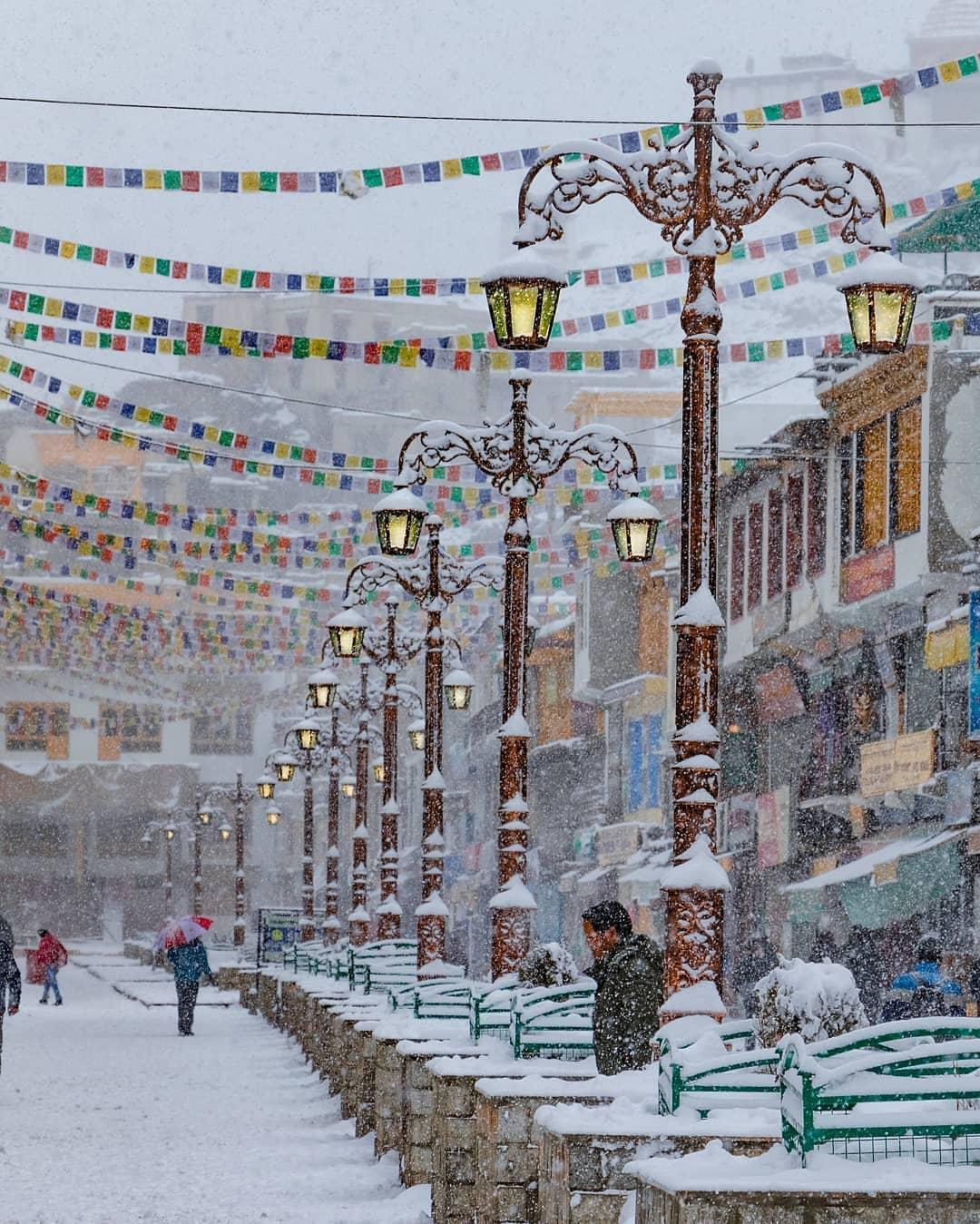
January ranks among the coldest months across Ladakh. Sub-zero temperatures are standard, but the exact thermal experience varies significantly depending on elevation, wind exposure, and geographic location.
What is the temperature in Leh in January?
In Leh (altitude ~3,500m), typical January daytime temperatures range between −2°C and 4°C during clear, sunny spells. After sunset, the temperature drops rapidly to between −10°C and −15°C. During severe cold waves, nighttime temperatures can drop below −18°C.
How cold is Ladakh at night in January?
Nights across Ladakh are universally sub-zero. Even in relatively sheltered valley bottoms, temperatures consistently stay below −10°C. In high-altitude lakes and plateaus such as Pangong Tso, Tso Moriri, and Changthang, night temperatures regularly hit −20°C to −30°C.
Does Ladakh go below 0°C in January?
Yes. Sub-zero conditions are the baseline for Ladakh in January. Virtually all locations remain below freezing through the night, and several higher valleys and mountain passes remain below 0°C for days at a time even in bright daylight.
Coldest periods in January
The daily temperature reaches its absolute nadir during late night and early morning hours, between 04:30 AM and 07:30 AM, just before direct sunlight strikes the valley floor. Cold waves accompanying western disturbances can suppress temperatures for 3–5 consecutive days.
Wind chill in Ladakh
Wind chill is a critical factor in winter. While still air at −5°C in direct sunlight can feel manageable, a 30 km/h wind over Khardung La, Chang La, or across the shores of Pangong Lake can plunge the perceived temperature (feels-like) below −25°C. Wind chill dramatically accelerates frostbite risk on exposed skin.
Temperature differences across Ladakh
There is no single uniform temperature for Ladakh. Elevation and geography create massive microclimates:
| Location | Altitude | Typical Daytime Temp | Typical Nighttime Temp | Winter Character |
|---|---|---|---|---|
| Leh | 3,500 m | −2°C to 4°C | −10°C to −15°C | Sunny afternoons, dry cold, operational town services |
| Nubra Valley (Diskit/Hunder) | 3,050 m | 0°C to 6°C | −8°C to −12°C | Slightly lower elevation; comparatively milder days |
| Pangong Lake (Spangmik) | 4,225 m | −6°C to 0°C | −18°C to −25°C | Severe winds; lake freezes completely into solid ice |
| Kargil | 2,676 m | −1°C to 5°C | −8°C to −14°C | Lower altitude than Leh, but higher winter humidity |
| Drass | 3,230 m | −5°C to 1°C | −20°C to −35°C | Second coldest inhabited place; heavy snow blankets |
| High Passes (Khardung / Chang La) | 5,300+ m | −12°C to −6°C | −25°C to −38°C | Extreme wind chill, ice sheets, blizzards during disturbances |
Does It Snow in Ladakh in January?
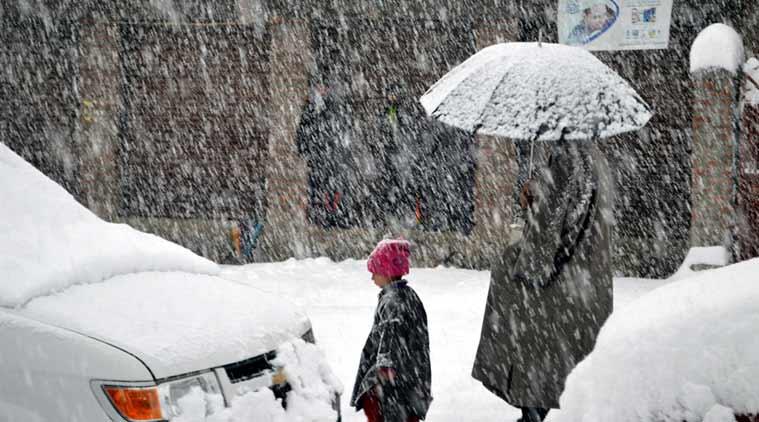
Yes, Ladakh experiences snowfall in January, but the frequency and depth of snow vary drastically across different districts. January is a mid-winter month when high-altitude passes and western valleys are already covered with accumulated snow, but active snowfall depends heavily on the passage of moisture-laden Western Disturbances moving from the Mediterranean and Caspian seas.
Where is snowfall more likely in January?
Snowfall is much heavier in the western districts of Ladakh — specifically around Drass, Kargil, Suru Valley, and Zanskar — than in the eastern rain-shadowed plateau around Leh. Moisture carried by winter weather systems hits the Great Himalayan barrier first, dropping several feet of snow across Drass and Zoji La before reaching the dry interior basins of Leh and Nubra.
Leh vs Kargil vs Drass
| Location | Snowfall Frequency | Typical Snow Depth | What Travellers Should Expect |
|---|---|---|---|
| Leh | Occasional / Light | 2 to 6 inches | Dry, sunny days; snow often melts quickly on paved roads under strong sun |
| Kargil | Moderate | 6 to 18 inches | Regular winter precipitation; snow blankets surrounding apricot orchards |
| Drass | Heavy & Frequent | 3 to 6+ feet | Deep powder, snow walls along roads, true sub-arctic winter environment |
| Zanskar | Very Heavy | 4 to 8+ feet | Extreme snow cover; villages rely on winter stores and local trails |
Snowfall vs already accumulated snow
This is an important distinction when researching "Ladakh in January weather snowfall." Seeing snow in travel photos does not mean it is actively snowing every day. Because ambient temperatures stay below freezing for weeks at a time, snow that falls during a single December or early January storm can remain perfectly preserved on the landscape for over a month.
In January you will commonly experience:
- ❄️ Bright sunny skies with pristine, snow-covered mountains framing every horizon.
- ❄️ Fresh snowfall spells lasting 24–48 hours whenever a Western Disturbance passes.
- 🧊 Glacial and river ice on the Indus, Zanskar, and Suru rivers, even under clear skies.
- 🌬️ Blowing snow and black ice on shaded curves and high passes.
Are Ladakh's roads covered with snow in January?
High-altitude passes (Khardung La, Chang La, Zoji La) are frequently covered in compacted snow and ice. While the Border Roads Organisation (BRO) works tirelessly with heavy snow cutters, bulldozers, and salt to clear major arteries, travel across these passes requires high-clearance 4x4 vehicles, tire chains, and experienced local winter drivers. In contrast, local valley roads inside Leh town are often cleared within hours of light snowfall.
Why does snowfall vary so much across Ladakh?
Ladakh spans diverse climatic zones. The Great Himalayan Range acts as a formidable moisture wall. Western valleys (Drass, Suru) receive the brunt of cyclonic moisture, while eastern Ladakh (Leh, Changthang) sits in the deep rain shadow. Consequently, Drass can battle a 3-foot snowstorm while Leh enjoys crisp blue skies just 140 km away.
Can You Travel to Ladakh in January?
Yes, you can travel to Ladakh in January — but it is not an ordinary holiday. January demands respect, thorough preparation, high-grade winter clothing, and an open, flexible mindset.
✅ Why Visit Ladakh in January?
- Spectacular Snow Landscapes: Witness frozen waterfalls, blue ice formations, and snow-draped monasteries.
- Complete Peace & Solitude: Zero tour bus crowds; experience the true tranquility of Himalayan village life.
- World-Class Winter Photography: Crystal clear atmosphere, sharp light, and dramatic morning frost.
- Authentic Cultural Encounters: Witness traditional monastic life, local winter festivals, and ice hockey matches.
- Chadar Trek (Frozen River): January is the prime window for this legendary expedition along the frozen Zanskar River.
⚠️ What Makes Ladakh Difficult in January?
- Severe Sub-Zero Temperatures: Requires 3-layer technical clothing; skin exposure must be minimized.
- Frozen Water Plumbing: Running tap water in most hotels freezes; traditional dry toilets or bucket water are common.
- Weather Disruptions: Passes can close for days after fresh snow; flights can be delayed by morning fog.
- Reduced Commercial Services: Most summer cafes, souvenir shops, and budget guesthouses remain shut.
- Severe High-Altitude Strain: Cold air holds less moisture, intensifying dehydration and acclimatization symptoms.
Places to Visit in Ladakh in January
While remote high-altitude tracks may be closed by snow, several iconic regions in Ladakh remain accessible and offer extraordinary winter scenery.
1. Drass — The Winter Wonderland of Ladakh
Known as the Gateway to Ladakh, Drass is celebrated as the second coldest inhabited place on earth. In January, Drass becomes a real-life winter wonderland, blanketed under several feet of pristine white snow with temperatures dropping well below −20°C.
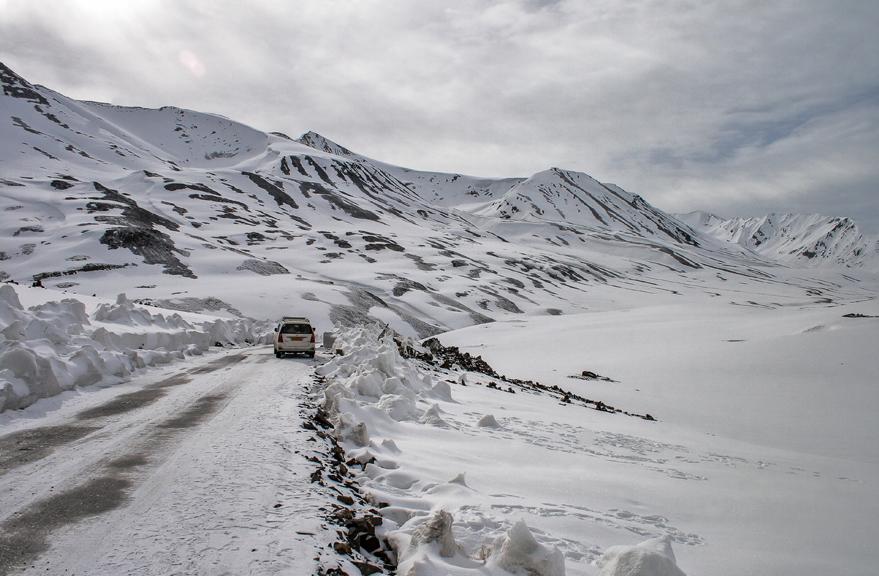
Visiting the Drass War Memorial amidst deep snow is an emotionally stirring experience. The snow-covered peaks of Tololing and Tiger Hill stand in stark, silent majesty. Accessing Drass from Kargil (60 km) is usually possible, though travelers must check daily road clearance.
2. Suru Valley — A Snow-Covered Himalayan Valley
Suru Valley, stretching south from Kargil toward Zanskar, is widely recognized as one of the most scenic alpine valleys in the Himalayas. In winter, the emerald summer fields give way to sweeping snow plains framed by the colossal 7,000-meter peaks of Nun and Kun.
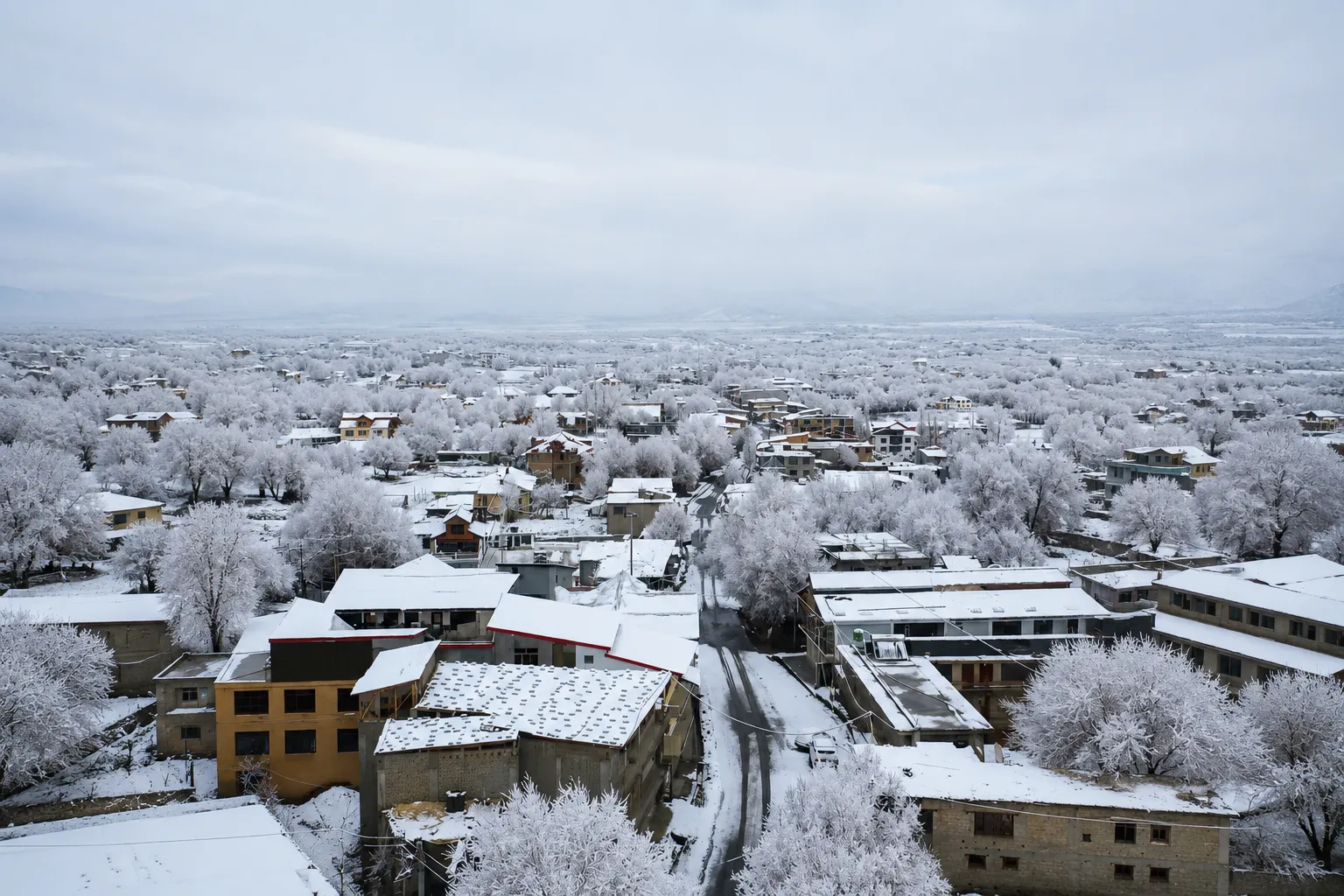
Villages like Sankoo and Panikhar remain accessible in early to mid-winter. Further south, the hanging seracs of Parkachik Glacier glisten under the low winter sun. Explore our in-depth Suru Valley Travel Guide for complete route details.
3. Leh — Experience Ladakh's Winter Capital
Leh is the natural base for any January itinerary. Winter in Leh reveals the authentic heart of the town. Without summer tour crowds, the Main Bazaar belongs to local Ladakhi elders in woollen gonchas sharing butter tea.
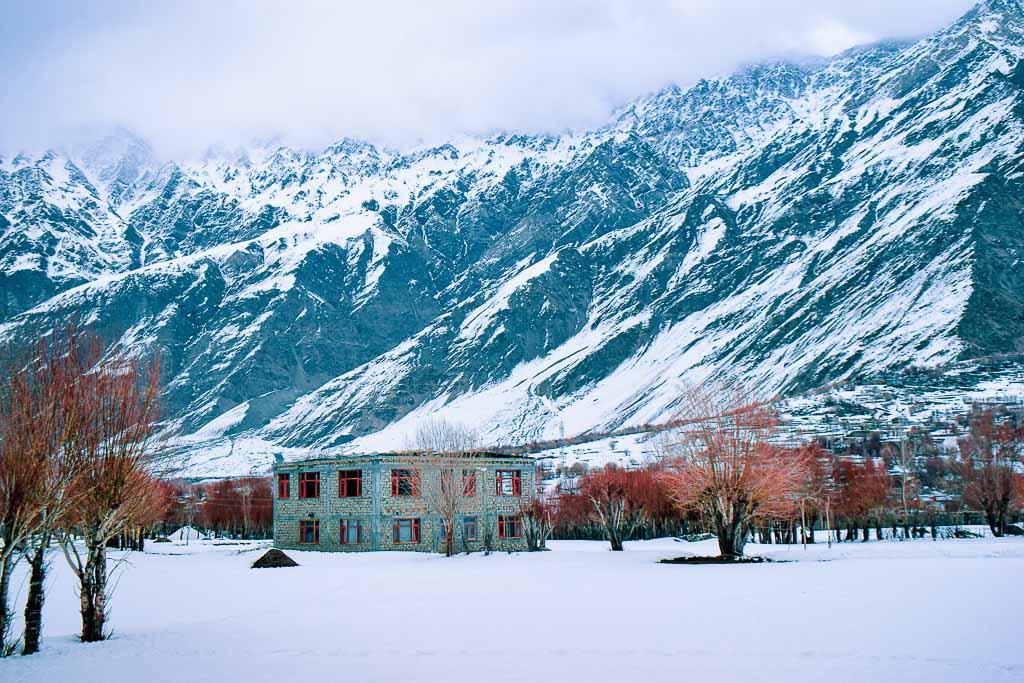
Key monasteries like Thiksey, Hemis, Spituk, and Shey remain open throughout winter, where monks carry on centuries-old rituals. Climb to the Shanti Stupa at sunset for panoramic views of a snow-dusted Indus Valley.
4. Kargil — Winter Landscapes and Local Culture
Sitting at 2,676 meters, Kargil experiences crisp winter weather with snow gracing its terraced hillsides and apricot groves. It serves as a vital winter link between Drass, Suru Valley, and Leh.
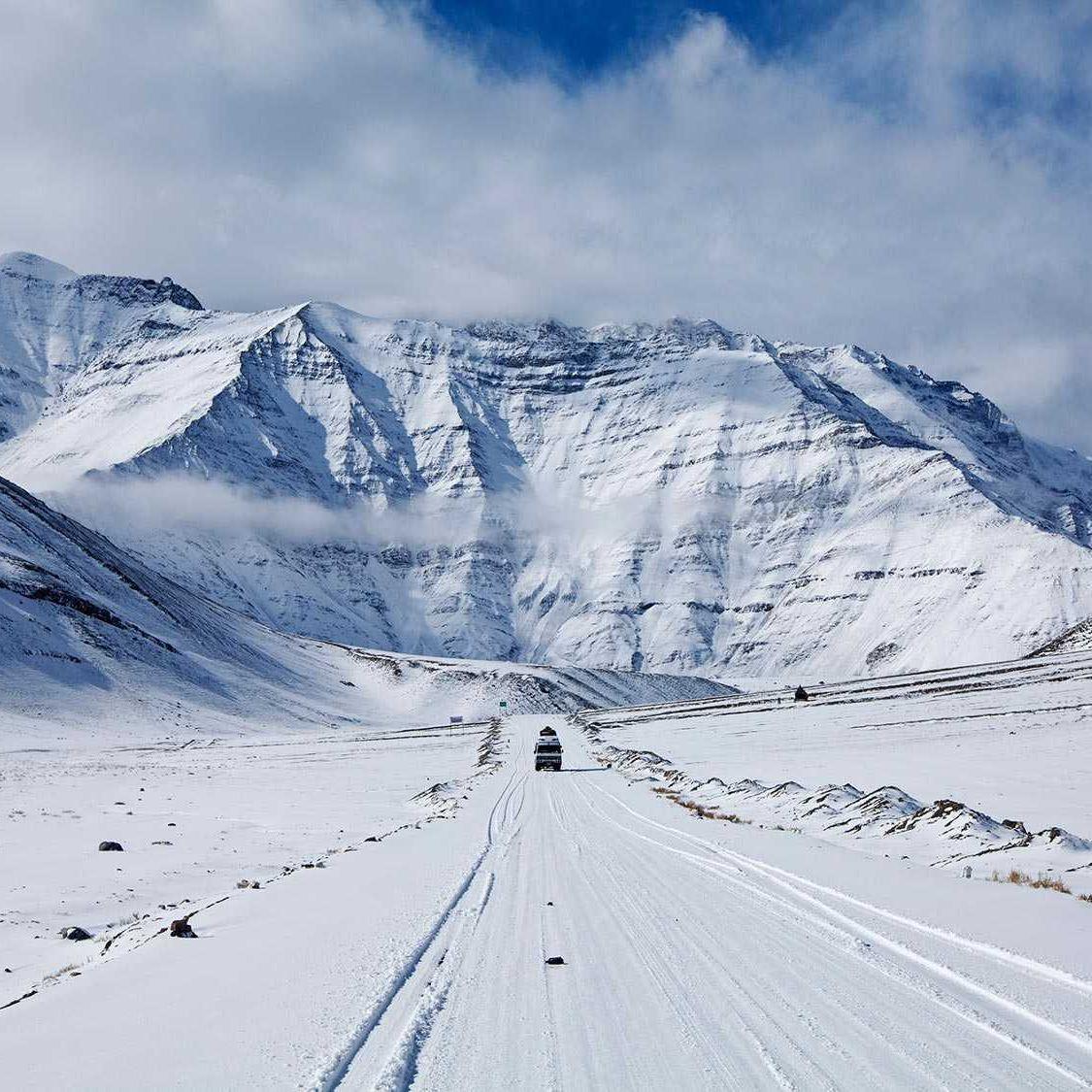
Winter in Kargil is a wonderful opportunity to experience warm Balti and Purgi hospitality, sample winter dried apricots and herbal brews, and explore quiet heritage sites without tourist rush.
5. Pangong Tso — The 134-Kilometer Solid Turquoise Mirror
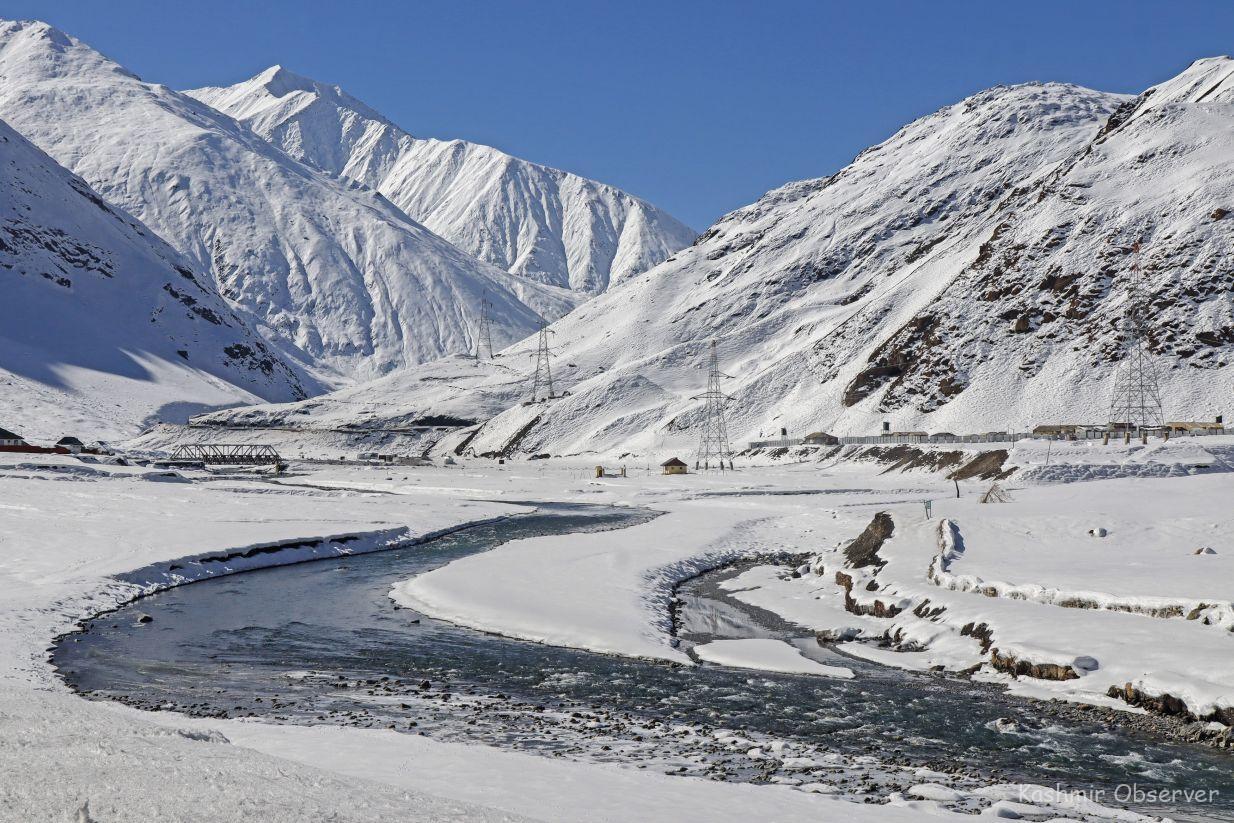
In summer, Pangong Lake is famous for its shimmering shades of blue. In January, it transforms completely: despite its saline content, the entire 134-kilometer lake freezes into a crystalline turquoise and white ice sheet up to two feet thick. Visiting Pangong in mid-winter feels like stepping onto an otherworldly polar continent.
6. Ice Hockey — Experience Ladakh's Winter Sport
When lakes and rinks freeze solid in January, Ladakh comes alive with the roar of ice hockey. The sport has become an integral part of modern Ladakhi winter culture, featuring international-level local competitions, women's tournaments, and village leagues in Leh, Kargil, and Drass.
Attending an ice hockey match at the Karzoo Ice Hockey Rink in Leh or the Drass rink is an unforgettable experience. The enthusiasm of the crowd cheering under sub-zero temperatures provides a vibrant window into community resilience.
Winter Itineraries for January: Nubra, Suru, Drass & Padum
Planning day-to-day road movements in Ladakh in January requires realistic timelines, allowing for morning frost, BRO snow-clearing windows on passes, and early sunsets around 05:30 PM. Below are four proven winter itineraries for January travelers:
🏔️ Nubra Valley Winter Itinerary (3 Days / 2 Nights)
Winter Route: Leh → Khardung La (5,359m) → Diskit → Hunder Sand Dunes → Turtuk → Leh
- Day 1 (Leh to Hunder, 125 km, 4–5 hrs): Depart Leh by 09:30 AM once morning black ice on Khardung La has softened. Cross the snow-covered pass, explore Diskit Monastery's 106-ft Maitreya Buddha, and experience sunset over snow-dusted Hunder Sand Dunes. Stay at a heated winter homestay in Hunder.
- Day 2 (Hunder to Turtuk Day Trip, 165 km round-trip, 6 hrs): Drive down the lower-altitude Shyok gorge to Turtuk. Stroll through peaceful stone alleys, ancient wooden mosques, and winter apricot orchards before driving back to Hunder.
- Day 3 (Hunder to Sumur/Panamik & Return to Leh, 150 km): Visit Samstanling Monastery in Sumur and the natural sulphur hot springs in Panamik, then re-cross Khardung La to return to Leh before late afternoon.
🏔️ Suru Valley Winter Itinerary (3 Days / 2 Nights)
Winter Route: Kargil → Sankoo → Panikhar → Parkachik Glacier → Rangdum
- Day 1 (Kargil to Panikhar, 65 km, 2.5 hrs): Follow the partially frozen Suru River on NH-301. Visit the historic 7-meter rock Buddha at Kartse Khar and frosted willow groves at Damsna. Overnight in a cozy traditional homestay in Panikhar beneath Mount Nun.
- Day 2 (Panikhar to Parkachik Glacier & Rangdum, 65 km): View the colossal hanging icefall of Parkachik Glacier descending into the white riverbed. In stable weather with a 4x4, continue south toward the high plateau of Rangdum (3,650m). Overnight in Rangdum.
- Day 3 (Rangdum Gompa to Kargil, 130 km): Visit the solitary 18th-century fortress-monastery of Rangdum sitting in a vast frozen plain. Return down the valley to Kargil town by late afternoon.
🏔️ Drass Winter Wonderland Itinerary (2 Days / 1 Night)
Winter Route: Kargil → Drass Town → Drass War Memorial → Mushkoh Snowfields
- Day 1 (Kargil to Drass & War Memorial, 60 km, 1.5 hrs): Scenic morning drive on NH-1. Pay homage at the snow-blanketed Drass War Memorial at the foot of Tololing. View the formidable vertical snow cliffs of Tiger Hill. Explore Drass town's extreme sub-zero life (−20°C). Stay in Drass or return to Kargil.
- Day 2 (Mushkoh Valley & Bhimbat Snow Excursion, 45 km): Explore the silent snowfields of Mushkoh Valley and the ancient Bhimbat stone. Return to Kargil by late afternoon.
🏔️ Padum & Zanskar Winter Expedition (4 Days / 3 Nights)
Winter Route: Kargil → Suru Valley → Pensi La (4,400m) → Padum (Zanskar)
- Day 1 (Kargil to Padum via Pensi La, 234 km, 8–9 hrs): Full-day 4x4 expedition crossing Pensi La Pass past the massive frozen Drang-Drung Glacier. Arrive in Padum (3,650m) and settle into a winter homestay equipped with a traditional wood-burning bukhari.
- Day 2 (Central Padum Monasteries, 50 km): Visit Karsha Monastery overlooking the frozen valley floor and Stongde Gompa perched on its rock outcrop.
- Day 3 (Zangla Palace & Sani Lake, 60 km): Explore the historic ruins of Zangla King's Palace and the sacred frozen lake at Sani Monastery.
- Day 4 (Padum to Kargil): Retrace the route across Pensi La before weather changes, arriving back in Kargil town.
👉 Planning summer road trips, biking expeditions, or extended overland circuits? Check out our complete day-by-day guides in the Curated Ladakh Itineraries Hub →
How to Reach Ladakh in January
Reaching Ladakh in winter requires careful route planning. Surface routes across the high passes can be disrupted by blizzards, avalanches, or seasonal road closures.
1. Flight → Leh (Kushok Bakula Rimpochee Airport)
By far the most reliable and practical method in January. Commercial flights operate daily connecting Leh (IXL) with Delhi, Srinagar, and Jammu. The flight over the snow-covered Greater Himalayas is itself one of the most stunning aerial journeys on earth.
2. Srinagar → Kargil → Leh (NH-1)
This corridor passes through Sonamarg, crosses the infamous Zoji La Pass (3,528m), and proceeds through Drass and Kargil to Leh. The Border Roads Organisation (BRO) makes exceptional efforts under Project Beacon and Project Vijayak to keep Zoji La operational as late into January as safety permits.
However, Zoji La is highly susceptible to heavy blizzards and avalanche risks. When closed, surface connectivity between Kashmir and Ladakh is severed until snow clearance is completed. Never attempt this road in January without checking the latest official status.
3. Manali → Leh Highway
Closed for civilian tourists in January. This highway crosses several passes exceeding 5,000 meters (Baralacha La, Lachulung La, Tanglang La) that accumulate heavy winter snowpack. The Atal Tunnel provides access to Lahaul Valley, but travel onwards across Baralacha La into Ladakh is not permitted during mid-winter.
| Route | January Status | Recommended Action |
|---|---|---|
| Flight to Leh (IXL) | Operational (Weather Permitting) | Book with flexible date change options; allow 48-hour acclimatization buffer. |
| Srinagar–Kargil–Leh | Condition-Dependent (Zoji La) | Check daily road advisories; do not travel without local driver and snow chains. |
| Manali–Leh | Closed | Do not plan winter road travel via this route. |
Ladakh Road Status in January
Winter road accessibility in Ladakh changes from day to day. A pass open under clear morning skies can be shut by an afternoon blizzard or localized avalanche risk. Never rely on static assumptions or outdated forum posts.
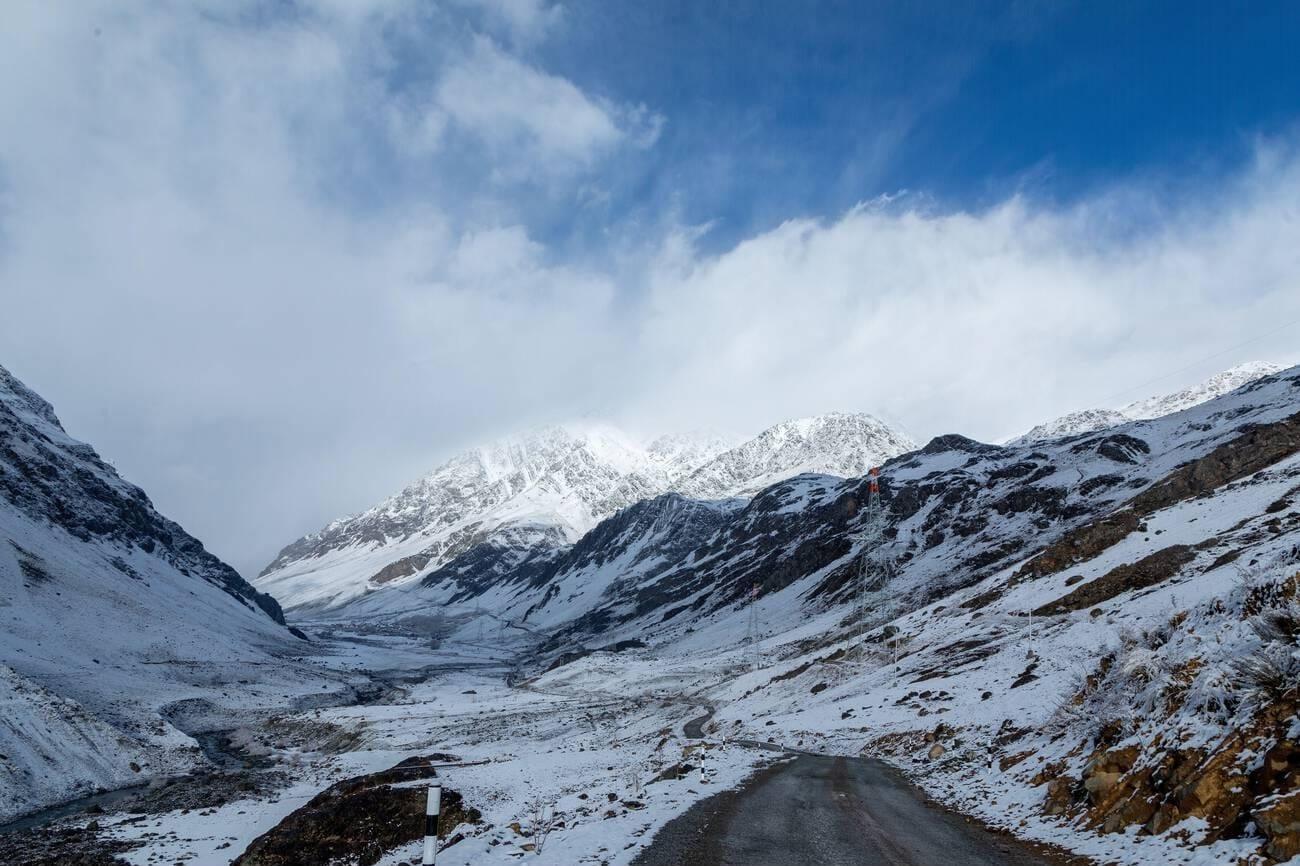
Zojila Pass
The critical mountain bottleneck connecting the Kashmir Valley with Ladakh. When Zoji La is closed by heavy snow, surface supply and passenger movement halt. For current status, monitor our dedicated updates: Check Zoji La status today.
Srinagar–Kargil Road
Winds past Sonamarg and Drass. Shaded curves near Captain Morh and Gumri are prone to black ice. Movement is regulated strictly with one-way traffic timings when open.
Kargil–Leh Road (NH-1)
This 215 km stretch passes through Mulbekh, Namika La (3,700m), Fotu La (4,108m), and Lamayuru. Because it receives less precipitation than Zoji La, BRO keeps it open throughout most of the winter, barring short closures during active snowstorms.
Khardung La (Route to Nubra)
Standing at over 5,350 meters, Khardung La connects Leh with the Nubra Valley. In January, the pass is lined with thick walls of snow. The Indian Army and BRO clear the pass continuously, but morning ice often delays traffic until noon. Four-wheel-drive with snow chains is essential.
Chang La (Route to Pangong Lake)
Chang La (5,360m) is notoriously windy and steep. Heavy snowfall can block the pass for 24 to 72 hours. Travel to Pangong Lake in January is permitted only when Chang La is officially declared safe by district authorities.
How to Reach Drass
Drass is situated directly on NH-1, approximately 60 km west of Kargil and 140 km east of Srinagar. Reaching Drass in January depends on which direction you are approaching from:
- From Kargil: The 60 km drive (approx. 1.5 to 2 hours) along the Drass River is generally accessible throughout winter, with local taxis and Sumo services running when roads are clear of fresh snow.
- From Srinagar: You must cross Zoji La Pass. This route is open only during periods when official advisories permit civilian convoys through Sonamarg and Drass.
- From Leh: Travel along NH-1 via Kargil (approx. 275 km, 7–8 hours). Plan an overnight stay in Kargil before proceeding to Drass.
Always hire a local winter driver who understands how to handle diesel freezing, black ice, and mountain descents without overheating brakes.
What to Wear in Ladakh in January
Surviving and enjoying Ladakh in January is 90% about your clothing system. In sub-zero Himalayan weather, wearing one bulky coat over normal clothes will leave you shivering. You must dress using the Three-Layer Technical System:
- Base Layer (Moisture-Wicking): Pure merino wool or high-grade thermal synthetic innerwear (top and bottom). Never wear cotton against your skin—cotton retains sweat, cools rapidly, and induces hypothermia.
- Mid Layer (Insulation): Heavyweight fleece jacket or wool sweater, combined with fleece-lined trekking trousers. This traps your warm body heat.
- Outer Layer (Weather & Wind Protection): A heavy down jacket with an 800+ fill power rating and a windproof, water-resistant outer shell (rated for −20°C). For your lower body, windproof insulated snow pants are highly recommended for lake visits and passes.
Recommended Winter Gear for Ladakh
🧥 Thermal Innerwear Base Layer
A thermal base layer is the foundation of your winter kit. Look for snug-fitting, moisture-wicking fabric that locks in heat without bulk.
Check Thermal Innerwear on Amazon →🧥 Winter Jacket — Men
A properly insulated down or synthetic jacket rated for sub-zero temperatures. Essential for prolonged outdoor exposure in Leh, Kargil, and Drass.
Check Men's Winter Jacket →🧥 Winter Jacket — Women
Windproof, insulated winter parka with deep hood and thermal lining designed for high-altitude mountain winds and snow.
Check Women's Winter Jacket →🧤 Heavy Winter Gloves
Fingers go numb within minutes in −15°C wind. Use dual-layer insulated, windproof gloves with touchscreen capability for photography.
Check Warm Winter Gloves →🧦 Wool & Thermal Socks
Heavy merino wool socks protect against frozen ground. Always carry at least 4–5 fresh pairs; change socks immediately if they get damp.
Check Wool & Thermal Socks →🥾 Insulated Winter Snow Boots
Standard running sneakers will freeze your feet and slip dangerously on ice. Choose waterproof snow boots with deep rubber lug traction.
🧢 Fleece-Lined Winter Beanie
A snug woollen or fleece-lined cap that completely covers your ears and forehead against fierce Himalayan wind chill.
Check Warm Caps & Beanies →🕶️ UV400 Mountain Sunglasses
High-altitude sunlight reflecting off fresh white snow causes acute photokeratitis (snow blindness). Dark UV400 glasses are mandatory.
Check UV-Protection Sunglasses →What Do Travellers Say About Ladakh in January on Reddit?
First-hand traveler discussions across Reddit communities (such as r/ladakh and r/solotravel) provide candid peer perspectives on the realities of visiting Ladakh in mid-winter. While personal anecdotes should never replace official district advisories, recurring themes shared by real travelers include:
- The "Frozen Pipe" Reality: Multiple travelers note that almost all conventional hotel plumbing in Leh freezes by early January. Even high-end boutique properties often ask guests to use warm bucket water or traditional Ladakhi dry toilets (composting pit toilets with sawdust), which function reliably without water.
- Room Heating Is Non-Negotiable: Travelers emphasize spending the extra money for a hotel offering 24/7 central radiator heating or a safe wood-burning bukhari stove. Unheated budget rooms can drop to −8°C indoors at night.
- Solitude vs. Closures: Reddit users consistently describe the sense of solitude as unforgettable—having Pangong Lake or monasteries entirely to themselves. However, they warn that tourists expecting bustling cafes, shopping, and open restaurants will be disappointed.
- Need for Buffer Days: Seasoned contributors advise keeping at least 2 contingency days at the end of the trip, as flights from Leh are frequently rescheduled due to winter morning low visibility.
Note: Treat online forum threads as helpful experiential color rather than definitive road safety or weather forecasts. Official updates from District Administration Kargil and Leh Police remain the authoritative source for daily travel permissions.
Ladakh in January: First Day vs First Week vs End of Month
Is there a meaningful difference between traveling on January 1, January 15, or January 31? While day-to-day weather hinges on active atmospheric systems, the progression of the month has distinct characteristics:
| Timeline Period | Typical Weather & Snow Conditions | Key Traveler Considerations |
|---|---|---|
| January 1 (Start of Month) | Firmly in deep winter. December snow is already compacted on high passes. Night temperatures regularly plunge to −12°C in Leh. | Peak period for holiday adventurers; confirm winter-operational hotel bookings well in advance. |
| January 7 (First Week) | Severe winter conditions set in. Lakes begin solid freezing; daytime highs rarely exceed 2°C in Leh. | Chadar Trek expeditions typically commence preparations as ice thickness builds along the Zanskar River. |
| January 15 (Mid-Month) | The heart of Chillai Kalan (the 40-day period of harshest winter). Peak sub-zero temperatures across all valleys. | Pangong Lake is solidly frozen. Roads across Khardung La and Chang La require maximum caution and tire chains. |
| January 25 (Late January) | Deep freeze continues. Snow accumulation is at its seasonal peak across Drass, Suru, and Zanskar. | Local ice hockey tournaments are in full swing in Leh, Kargil, and Drass. Republic Day events celebrated locally. |
| January 31 (Month End) | Still deeply frozen. Do not assume month-end brings warmth—February can bring equally intense snow and sub-zero conditions. | Maintain full winter clothing gear; road restrictions remain strictly condition-dependent. |
Does Ladakh become warmer by the end of January? Not noticeably. The Himalayan plateau remains locked in deep winter through February. Weather fluctuations are governed far more by passing Western Disturbances than by calendar dates.
Is Ladakh in January Worth Visiting?
Yes — for the traveler seeking raw Himalayan grandeur, absolute stillness, and genuine winter culture.
Visiting Ladakh in January is not about checking off twenty tourist monuments in a comfortable taxi. It is an expedition. It demands that you wake up to frosted windows, breathe air so crisp it clears your head instantly, watch monks chant in quiet gompas warmed only by yak butter lamps, and marvel at mountains wrapped in endless white.
Choose January if: You want snow, solitude, winter photography, ice hockey, and a deep appreciation for the legendary resilience of the Ladakhi people.
Choose Summer if: You want green valleys, open high passes, comfortable T-shirt weather during the day, running hotel hot water, and a packed sightseeing itinerary.
Frequently Asked Questions About Ladakh in January
Is Ladakh open in January?
Can you visit Ladakh in January?
What is the temperature in Ladakh in January?
Does it snow in Ladakh in January?
Is Leh open in January?
Can you reach Ladakh from Srinagar in January?
Can you travel from Manali to Ladakh in January?
Is Kargil open in January?
Is Drass accessible in January?
Is Pangong Lake frozen in January?
What should I wear in Ladakh in January?
Is Ladakh in January worth visiting?
Information Sources & Official References
- District Administration Kargil: Official winter road advisories, Zoji La traffic bulletins, and local weather preparedness reports (kargil.nic.in).
- Administration of Union Territory of Ladakh: Tourism guidelines and high-altitude health protocols (ladakh.nic.in).
- India Meteorological Department (IMD): Historical precipitation and temperature normals for Leh and Kargil meteorological stations.
- Border Roads Organisation (BRO): Project Beacon & Project Vijayak operational clearing updates for NH-1, Khardung La, and Chang La.
- Airports Authority of India (AAI): Winter flight operation advisories for Kushok Bakula Rimpochee Airport (IXL), Leh.
💬 Traveler Q&A & On-Ground Discussions (6)
Have questions about hotel heating reliability, winter AMS precautions, road pass clearance, or battery protection in Ladakh in January? Ask below and get direct advice from local guide Zulkarnain.
Leave a Field Note or Ask a Winter Question