Author Ground Expedition • Suru River Basin
Suru Valley is recognized by National Geographic as one of the 25 best destinations in the world. As someone who grew up along these riverbanks in Kargil, I have watched travelers rush past to Leh without ever turning down NH-301. Those who take the detour find one of the last untouched sanctums of the Himalayas: a fertile green ribbon of barley terraces, wild willow groves, and towering 7,000-meter granite massifs rising directly from the valley floor.
Unlike the arid moonscapes of central Ladakh, Suru is intensely alive. Here, glacier-fed streams thunder past apricot orchards, while Mount Nun (7,135m) and Mount Kun (7,077m) dominate the southern horizon. Whether you are aiming for the icefalls of Parkachik Glacier, the ancient 7th-century rock-carved Maitreya Buddha at Kartse Khar, or the remote wilderness of Rangdum on your way to Zanskar, this guide shares my personal route notes, practical timings, and local advice to help you navigate this dramatic Himalayan corridor.

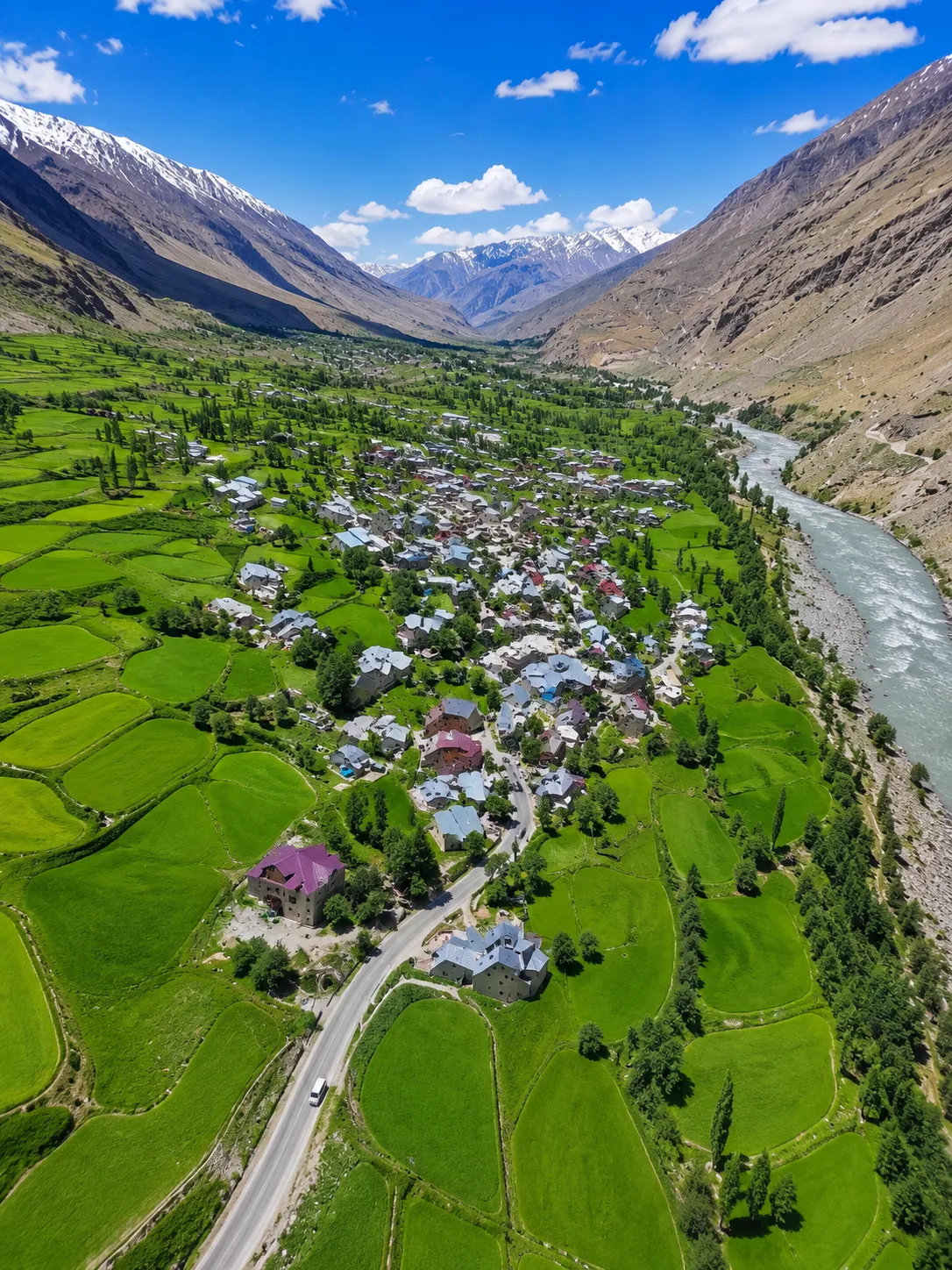
Suru Valley’s Culture
Suru Valley is home to the Purig (Purgi) and Balti communities, whose cultural heritage reflects a unique blend of Dardic and Tibetan influences. The valley's rich traditions, language, architecture, and way of life have evolved over centuries, creating a distinct identity within the Ladakh region.
Around 90% of the population follows Shia Islam, making Suru Valley one of the largest Shia Muslim regions in Ladakh. The remaining population includes followers of Buddhism, particularly in the upper reaches of the valley near Rangdum, where ancient monasteries continue to preserve Buddhist traditions.
The most commonly spoken languages are Purgi, Balti, and Urdu, while Hindi and English are also understood in many areas.
One of the most fascinating aspects of Suru Valley is its unique cultural atmosphere. Visitors often experience a beautiful blend of Ladakhi and Kashmiri cultures. From traditional stone houses and warm local hospitality to delicious regional cuisine and colorful festivals, Suru Valley offers an authentic cultural experience that sets it apart from other destinations in Ladakh.
Suru Valley Location & Map
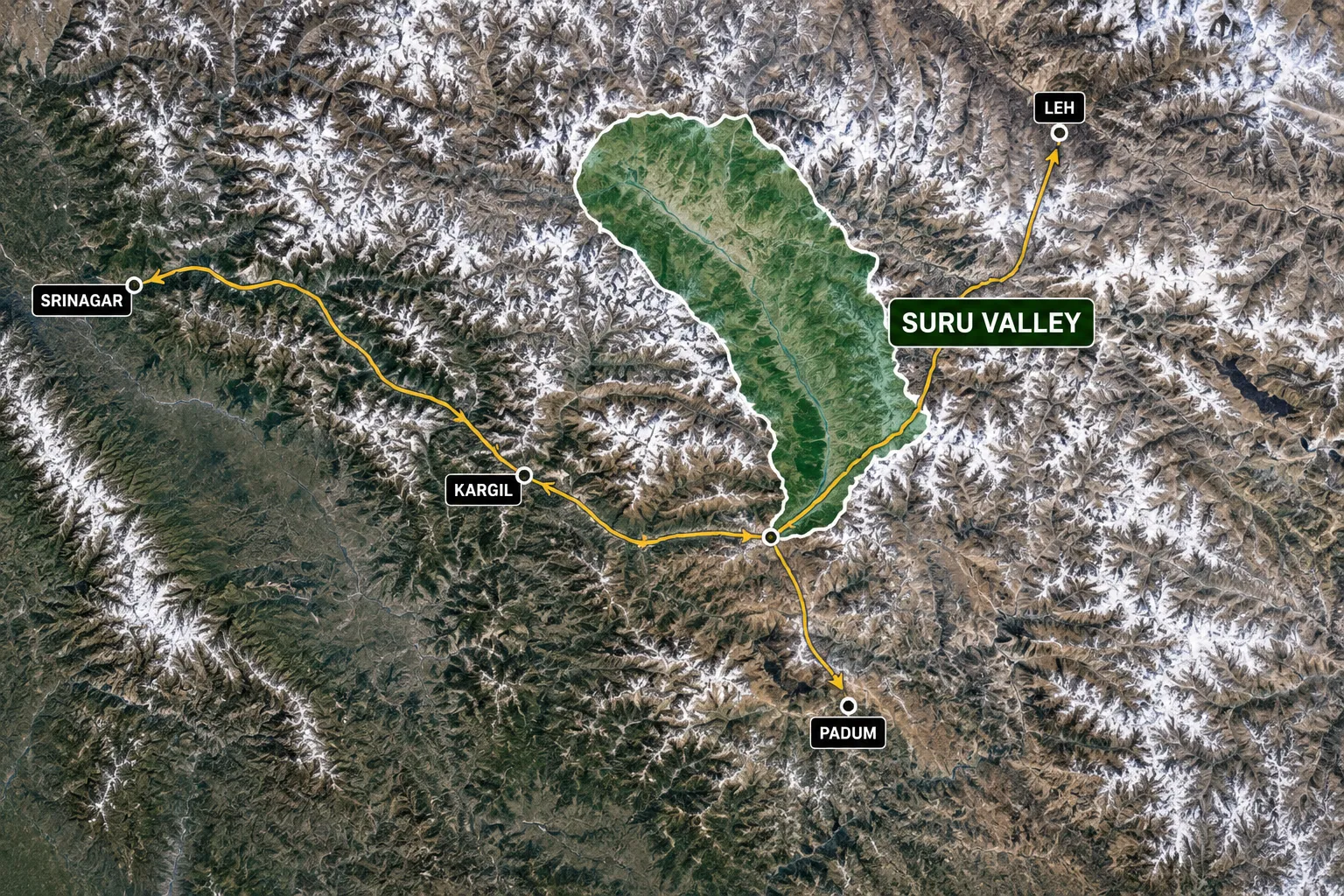
Suru Valley is a picturesque Himalayan valley located in the Kargil district of Ladakh, India. Stretching along the Suru River, the valley is dotted with charming villages, lush green fields, glacier-fed streams, and spectacular mountain landscapes. It serves as the gateway to Zanskar Valley and is renowned for its stunning views of the Nun Kun massif and the Parkachik Glacier.
The main town of Sankoo, often considered the heart of Suru Valley, is situated approximately 43 km from Kargil, 240 km from Srinagar, 248 km from Leh, and around 317 km from Padum (Zanskar) via the NH301 (Kargil–Padum Highway). This scenic highway crosses the famous Pensi La Pass, connecting Kargil with Zanskar and offering breathtaking views throughout the journey.
Located in the Trans-Himalayan region, Suru Valley lies at an average elevation of 2,700–3,000 metres (8,860–9,840 feet) above sea level. The valley is surrounded by towering snow-covered peaks, fertile farmlands, and alpine meadows, making it one of the greenest and most beautiful valleys in Ladakh.
How to Reach Suru Valley
Suru Valley is conveniently located between Leh, Srinagar, and Padum (Zanskar), making it accessible from all three destinations by road. The valley is connected via the scenic NH301 (Kargil–Padum Highway), one of the most beautiful highways in Ladakh.
Leh Airport (IXL) is 248 km away. Srinagar Airport (SXR) is 240 km away. From either airport, hire a private cab or take a shared taxi to Kargil, then continue to Suru Valley.
The nearest major railway terminal is Jammu Tawi (430 km from Kargil). Regular buses and taxis connect Jammu with Srinagar and Kargil, where local transport to Suru is available.
Accessible from Kargil (43 km / 1 hr), Leh (248 km / 6-7 hrs), Srinagar (240 km / 6-7 hrs), and Padum (317 km). Cabs and buses operate frequently in summer.
Local Transport from Kargil
If you're travelling from Kargil, head to the main taxi and bus stand near the town market. From here, you can easily find:
- Local buses to Sankoo and nearby villages (fare usually ₹50–₹80, depending on the destination).
- Shared taxis, which are a faster and more comfortable option.
- Private taxis, available for sightseeing or a full-day tour of Suru Valley.
If you plan to explore attractions such as Parkachik Glacier, Rangdum Monastery, and other remote villages, hiring a private taxi from Kargil is the most convenient option.
Kargil to Suru Valley Distance & Travel Times
Suru Valley is a vast Himalayan valley that stretches for approximately 50–70 km, beginning from Sankoo and extending up to Rangdum in the Kargil district of Ladakh. The gateway to the valley, Sankoo, is located about 43 km from Kargil Town and can be reached in around one hour by road. As you travel deeper into Suru Valley along the scenic NH301 (Kargil–Padum Highway), you'll pass through picturesque villages, glacier-fed rivers, and breathtaking mountain landscapes.
Several of Suru Valley's most popular attractions are located along this route. The Kartse Khar Buddha Statue is approximately 45 km from Kargil, making it one of the first major landmarks visitors encounter. Panikhar, a beautiful village known for its stunning views of the Nun Kun massif, lies around 68 km (about 1.5 hours) from Kargil. Further ahead, the magnificent Parkachik Glacier is situated about 85 km (around 2 hours) away, while the historic Rangdum Monastery, located at the far end of Suru Valley, is approximately 130 km (3.5–4 hours) from Kargil.
| Destination | Distance from Kargil | Approx. Travel Time |
|---|---|---|
| Sankoo | 43 km | 1 hour |
| Kartse Khar Buddha Statue | 45 km | 1 hour |
| Panikhar | 68 km | 1.5 hours |
| Parkachik Glacier | 85 km | 2 hours |
| Rangdum Monastery | 130 km | 3.5–4 hours |
Best Time to Visit Suru Valley
The best time to visit Suru Valley is from April to mid-September, when the valley transforms into one of the greenest and most scenic regions in Ladakh. Each season offers a unique experience, from blooming flowers and lush landscapes in summer to snow-covered mountains and winter sports in the colder months.
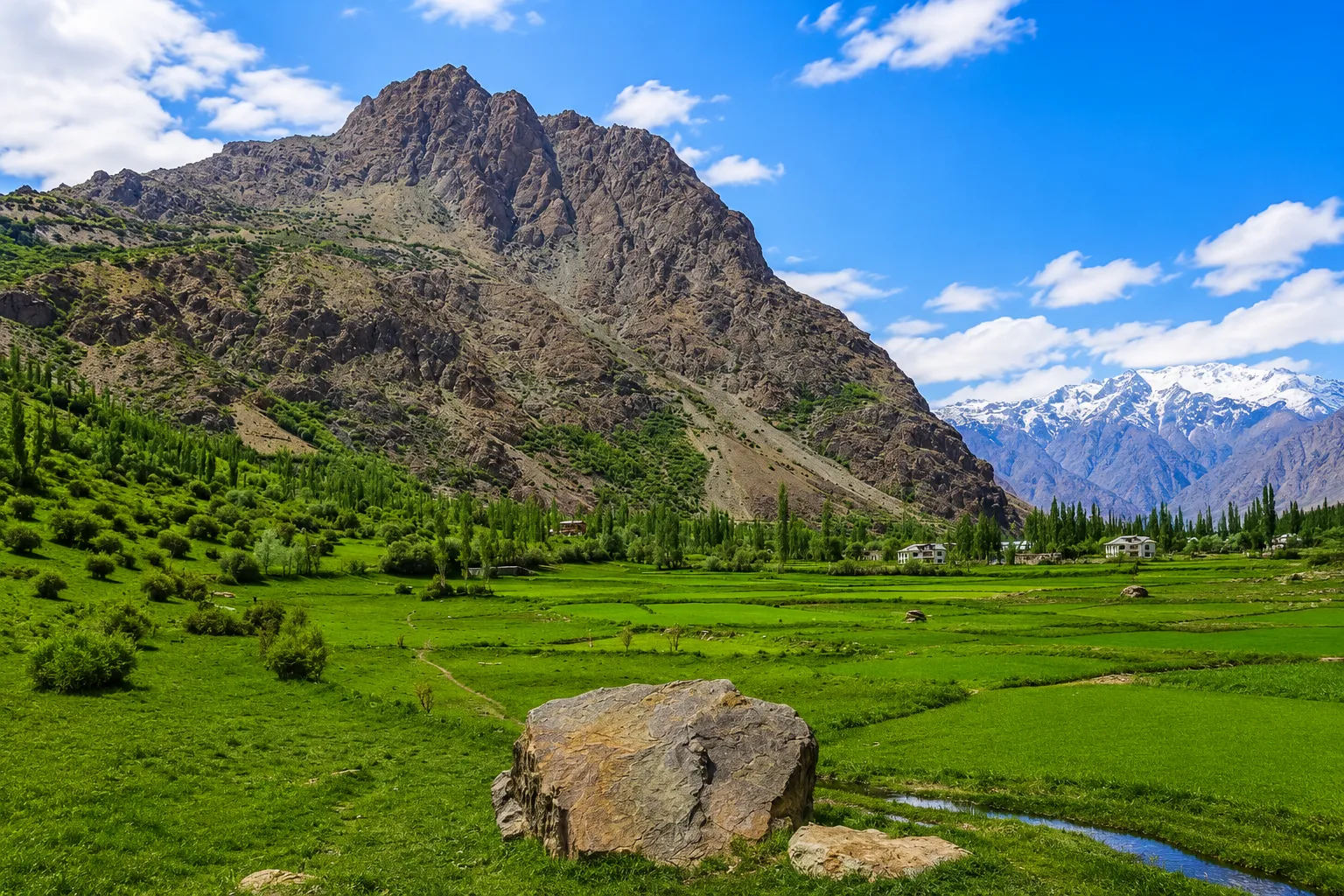
Summer (April to Mid-Sept)
As the snow melts in April, the valley comes alive with lush green poplar and willow trees, wild roses, and vibrant farmlands. The pleasant weather makes it the perfect time for sightseeing, trekking, camping, photography, and road trips. Visitors get spectacular views of the Nun Kun Peaks, Parkachik Glacier, and the crystal-clear Suru River.
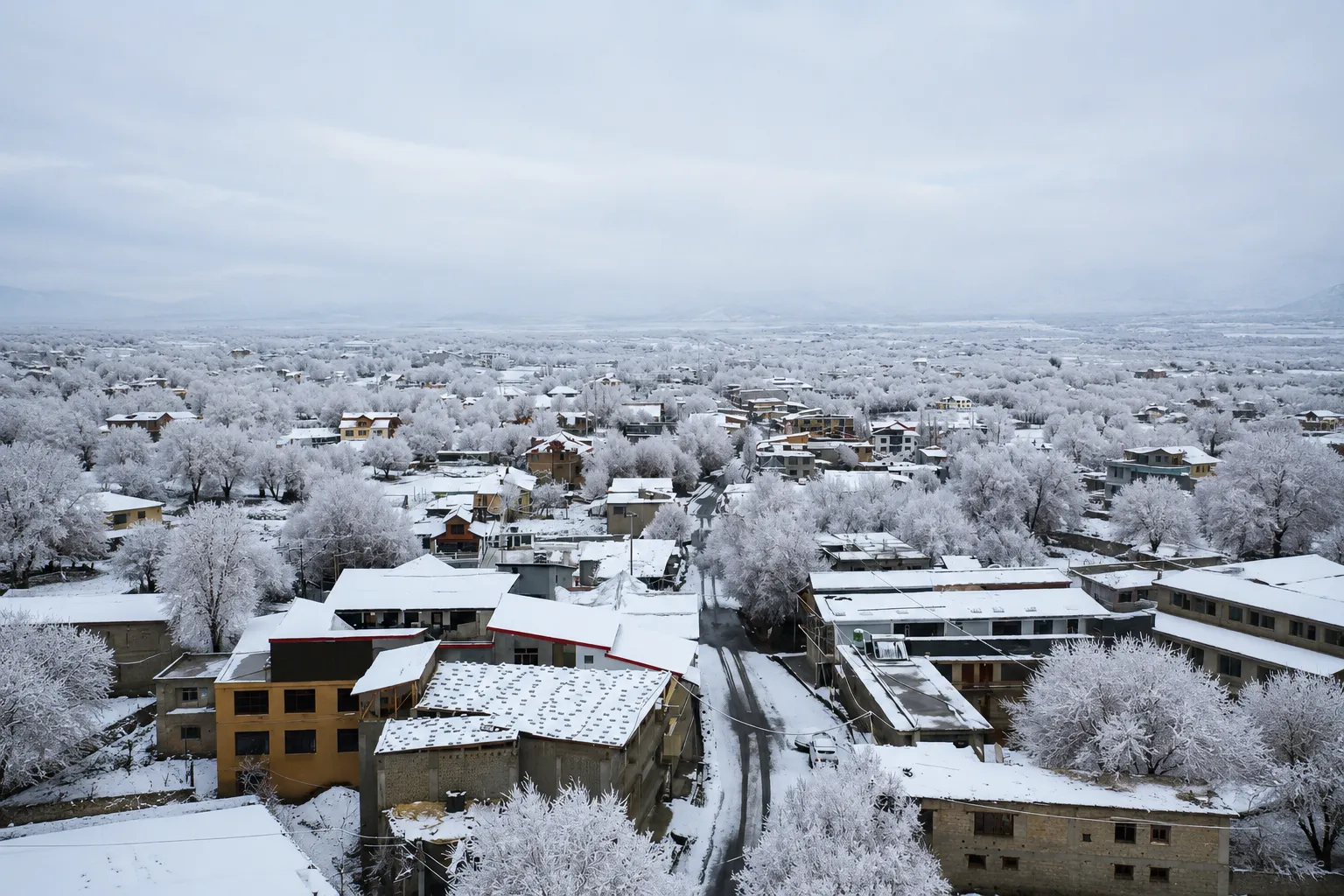
Winter (Late Nov to Mid-March)
Winter brings heavy snowfall, creating breathtaking winter landscapes. The valley has excellent potential for winter tourism. An underdeveloped ski area near Sankoo offers opportunities for skiing. Winter is also a great time to experience local culture, with traditional sports like archery and community festivals.
Although the monsoon is generally mild in Ladakh, September may occasionally bring rainfall to the lower Himalayan regions, increasing the risk of landslides on some roads. However, travelers need not worry, as the Damsna (Damna) Check Post, located about 20 km before Sankoo, continuously monitors road conditions. If there is any risk of landslides or unsafe travel, authorities temporarily stop vehicles until the road is declared safe.
Glacier Between Suru Valley and Zanskar
Parkachik Glacier
Parkachik Glacier is one of the most spectacular attractions in Suru Valley, located near Parkachik Village in the Kargil district of Ladakh. Nestled in the Suru-Zanskar Range, this magnificent valley glacier stretches for several kilometres and is fed by the towering Nun Kun massif, making it one of the largest and most accessible glaciers in the region.
The glacier is the primary source of the Suru River, which flows through the length of Suru Valley before eventually joining the Indus River. Surrounded by snow-covered peaks and lush green meadows, Parkachik Glacier offers breathtaking views of the glacier directly from the NH301 (Kargil–Padum Highway) as they pass through Parkachik Village. For an even more spectacular panoramic view, Penzi-la viewpoint nearby Penzi-la pass, provides a stunning vantage point overlooking the glacier, the Suru River, and the majestic Nun Kun Peaks.
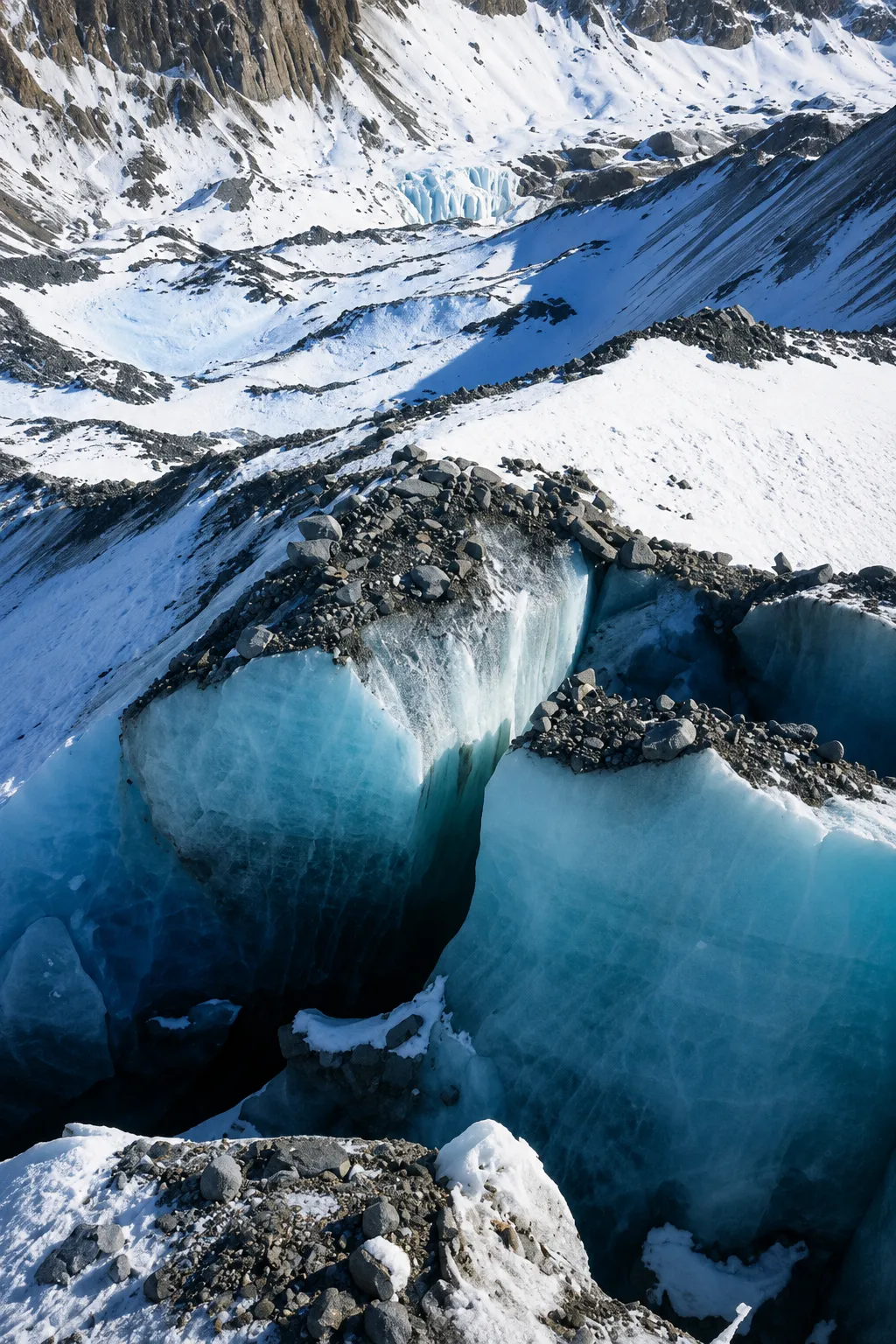
Like many Himalayan glaciers, Parkachik Glacier is retreating due to climate change. Rising temperatures have accelerated the melting of the glacier over recent decades, making responsible tourism more important than ever. Visitors are encouraged to respect the fragile environment by avoiding littering, staying on designated trails, and helping preserve this natural wonder for future generations.
Suru Valley Trekking & Hiking
1. Itchoo Trek
Itchoo Trek is one of the most offbeat and least-explored trekking experiences in Suru Valley. Located in the remote Itchoo Village of the Kargil district, this hidden destination offers breathtaking views of snow-capped mountains, alpine meadows, crystal-clear streams, and traditional Himalayan villages. Its untouched beauty makes it an ideal destination for travelers looking to experience the quieter side of Ladakh, away from the usual tourist crowds.
The trek begins near Itchoo Village, which can be reached from Sankoo by local bus, shared taxi, or private cab. From the village, a short trek of a few kilometres leads visitors through scenic landscapes, making it suitable for beginners as well as experienced hikers. Along the way, you'll be rewarded with panoramic views of the surrounding peaks and peaceful valleys.
One of the highlights of the Itchoo Trek is the opportunity to experience authentic local hospitality. Visitors can stay in homestays with local families to learn about the region's culture and traditions or enjoy camping under the star-filled Himalayan sky in designated areas. The combination of stunning scenery, peaceful surroundings, and warm hospitality makes the Itchoo Trek a memorable adventure in Suru Valley.
2. Nun Kun Base Camp Trek
The Nun Kun Base Camp Trek is one of the most exciting trekking adventures in Suru Valley, Ladakh. The trek takes you to the base of the majestic Nun Kun massif, which consists of Mount Nun (7,135 metres) and Mount Kun (7,077 metres)—the two highest peaks in the Zanskar Range. These towering mountains dominate the skyline of Suru Valley and are among the most sought-after climbing destinations in the Indian Himalayas.
Every year, experienced mountaineers and adventure enthusiasts from around the world visit Suru Valley to attempt expeditions on these iconic peaks. Even if you're not planning to climb the summits, the trek to the Nun Kun Base Camp offers breathtaking views of glaciers, alpine meadows, crystal-clear streams, and snow-covered mountains, making it one of the best trekking experiences in Ladakh.
The base camp is located near Tangol Village, close to Parkachik in Suru Valley. The trek is suitable for trekkers with a reasonable level of fitness and provides an unforgettable opportunity to witness the beauty of the Himalayas up close.
How to Reach Nun Kun Base Camp:
You can reach the starting point of the trek (Tangol) by following either of these routes:
- Leh Route: Leh → Kargil → Sankoo → Parkachik → Tangol
- Srinagar Route: Srinagar → Kargil → Sankoo → Parkachik → Tangol
Several tour operators in Kargil organize guided trekking and mountaineering expeditions to Nun Kun Base Camp. These packages usually include experienced guides, camping equipment, meals, permits, transportation, and essential safety gear. You can also hire local porters and experienced high-altitude guides (Sherpas) from Parkachik and nearby villages, who possess excellent knowledge of the terrain and weather conditions.
Camping & Resorts in Suru Valley
Damsna Resort
Damsna Resort is a popular picnic and recreational spot located in Damsna Village in Suru Valley, around 53 km from Kargil Town. Situated on the banks of the Suru River along the NH301 (Kargil–Padum Highway), this peaceful destination is known for its lush green surroundings, fresh mountain air, and scenic river views. It is one of the favourite weekend getaway spots for both locals and tourists visiting Suru Valley.
The resort features a large green park where visitors can relax, enjoy family picnics, or simply take in the tranquil beauty of the valley. A fish farming centre located within the park adds to its charm and is especially popular with families and children. During the peak tourist season, particularly from May to September, Damsna Resort attracts a large number of visitors looking to escape the busy town and enjoy nature.
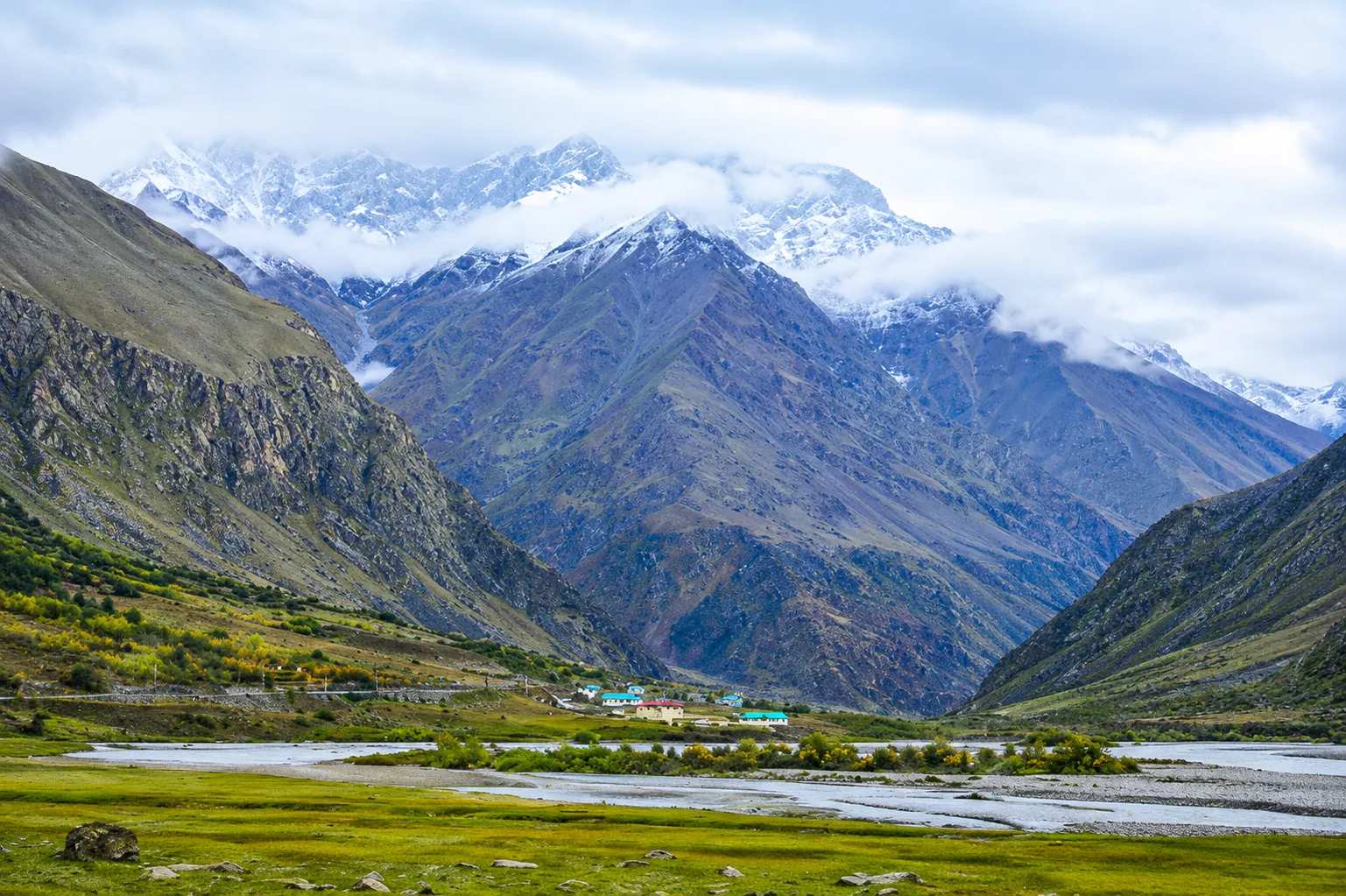
Despite its remote location, the resort offers essential visitor facilities, including basic accommodation, food stalls, public toilets, and parking. It also serves as a convenient stop for travelers driving between Kargil, Sankoo, and Parkachik.
Route to Damsna: Kargil → Sankoo → Damsna Resort (NH301)
Karpokhar
Karpokhar is another popular tourist destination in Suru Valley, located on the banks of the Suru River in Karpokhar Village, approximately 5–7 km from Sankoo Town. Surrounded by lush green fields, towering mountains, and the tranquil river, it is a peaceful destination that attracts both pilgrims and nature lovers.
Karpokhar is best known for the shrine (tomb) of the revered Sufi saint Mir Qasim, which holds great religious significance for the local community. Throughout the year, many devotees from Kargil and nearby villages visit the shrine to offer prayers and seek blessings. The serene atmosphere and beautiful surroundings make it an ideal place for both spiritual reflection and relaxation.
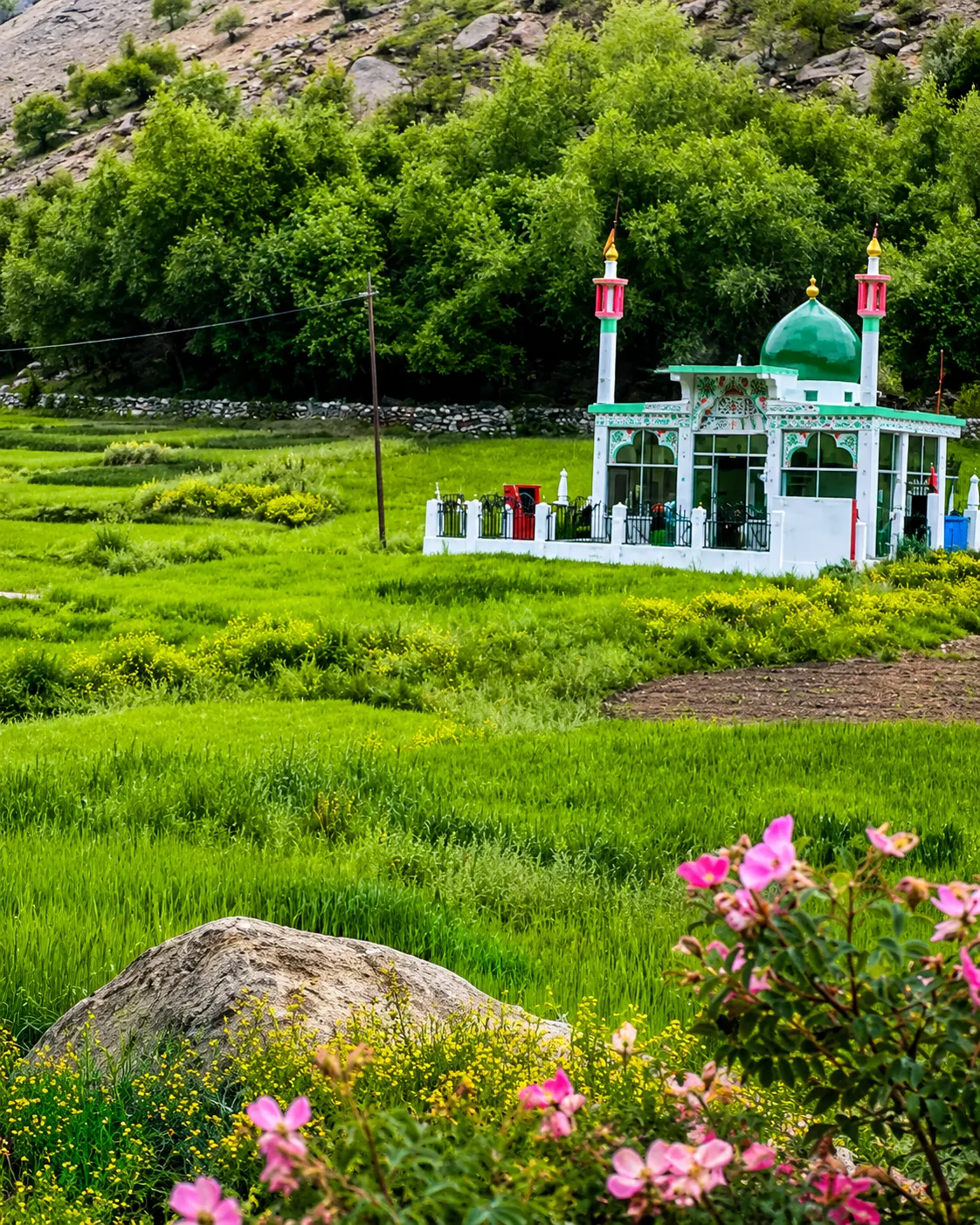
In recent years, Karpokhar has also become a popular stop for tourists exploring Suru Valley. A tent resort and restaurant near the river provide visitors with basic accommodation, local food, refreshments, and other essential facilities. Whether you're looking to enjoy the scenic beauty of the Suru River or learn about the region's spiritual heritage, Karpokhar is well worth a visit.
Route to Karpokhar: Kargil Town → Sankoo → Karpokhar (NH301, 5-7 km from Sankoo)
Sankoo: Gateway to Suru Valley
Sankoo, often referred to as the "Pahalgam of Ladakh," is the largest and most important town in Suru Valley. Located about 43 km from Kargil, it serves as the gateway to the valley and is the main hub for travelers exploring attractions such as Parkachik Glacier, Nun Kun Peaks, and Rangdum Monastery. Surrounded by lush green meadows, towering poplar and willow trees, fertile farmlands, and the crystal-clear Suru River, Sankoo is considered the greenest part of the Kargil district.
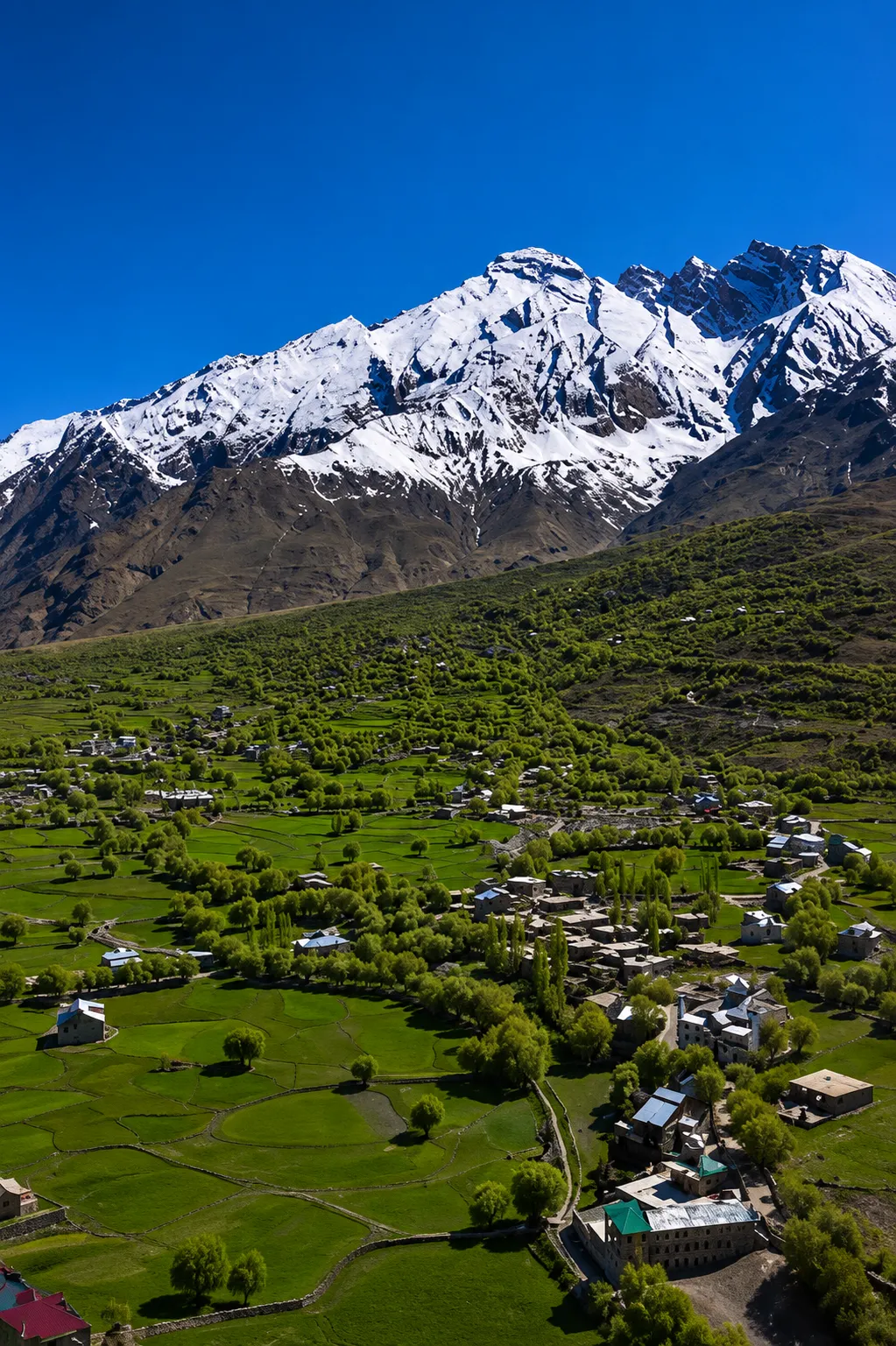
Unlike many remote villages in Ladakh, Sankoo offers almost all the essential facilities that visitors may need during their journey. The town has hotels, guest houses, homestays, restaurants, cafés, grocery stores, ATMs, fuel stations (nearby), pharmacies, and local markets, making it an ideal base for exploring Suru Valley. A Sub-District Hospital is also located in Sankoo, ensuring basic medical care is available for both residents and tourists.
The town is also known for its warm hospitality and rich cultural heritage. Visitors can stroll through the local market, interact with friendly residents, enjoy traditional Purgi and Balti cuisine, or take short trips to nearby villages and scenic picnic spots. Whether you're planning a day trip or a longer stay, Sankoo provides the perfect starting point for discovering the natural beauty and culture of Suru Valley.
Maitreya Buddha Statue (Kartse Khar)
The Maitreya Buddha Statue at Kartse Khar is one of the most remarkable historical attractions in Suru Valley. Carved into a massive rock face during the 8th century CE, this ancient sculpture depicts Maitreya, the Future Buddha in Buddhist tradition. Standing peacefully against the backdrop of the Himalayas, the statue is a testament to the rich Buddhist heritage that once flourished across the Suru Valley.
The rock-carved Buddha is often compared to the famous Bamiyan Buddhas of Afghanistan because of its impressive cliff-carved design and historical significance. While the Bamiyan Buddhas were tragically destroyed in 2001, the Kartse Khar Maitreya Buddha has survived for centuries and remains one of Ladakh's most important archaeological monuments. The statue reflects the influence of ancient Kashmiri Buddhist art and continues to attract history enthusiasts, photographers, pilgrims, and travelers from around the world.
Located in Kartse Khar Village, about 45 km from Kargil and just 4–5 km from Sankoo, the monument is easily accessible by road. From Sankoo Town, take the left link road towards Kartse Khar Village instead of continuing along NH301 towards Parkachik. After a short drive through beautiful fields and traditional villages, you'll reach this hidden cultural gem.
A visit to the Maitreya Buddha Statue offers more than just a glimpse into history. The peaceful surroundings, panoramic views of the Suru Valley, and centuries-old craftsmanship make it one of the must-visit attractions for anyone exploring the region.
Hotels, Homestays & Guest Houses in Suru Valley
Finding accommodation in Suru Valley is easy, especially during the tourist season. Whether you're looking for a comfortable hotel, a budget-friendly guest house, a traditional homestay, or a riverside camping experience, the valley offers a variety of options to suit every traveler and budget.
The majority of hotels, homestays, restaurants, and guest houses in Suru Valley are located in Sankoo, the main town of the valley. Smaller accommodation options are also available in Karpokhar, Parkachik, and remote villages such as Tangol, making it convenient for trekkers and adventure enthusiasts exploring the upper reaches of Suru Valley.
Staying in a local homestay is one of the best ways to experience the region's warm hospitality, authentic Purgi cuisine, and traditional lifestyle. Most accommodations provide clean rooms, home-cooked meals, hot water (seasonal), and basic amenities required for a comfortable stay.
Hotels & Homestays in Sankoo
Experience local Purig hospitality, fresh homecooked Balti dishes, and comfortable rooms in Sankoo.
One of the popular hotels in Sankoo town offering rooms, hot water, and a multi-cuisine restaurant.
A cosy budget guest house close to the market, providing parking and basic amenities.
A homelike guest house known for its warm hosts and local travel recommendation tips.
Accommodation in Karpokhar
Riverside luxury tents located near the shrine of Sufi Saint Mir Qasim. Perfect for starlit campfires and relaxing walks.
Accommodation in Upper Suru Valley
If you're travelling towards Parkachik, Tangol, or Rangdum, you can stay at:
- Magpie's Nest: A lovely eco-homestay near the Nun Kun base camp trail.
- Hotel Khayoul: Providing decent shelter and dining options in the upper valley areas.
These accommodations are ideal for travelers planning to visit Parkachik Glacier, Nun Kun Base Camp, or Rangdum Monastery.
Frequently Asked Questions (FAQs)
1. Where is Suru Valley located?
2. What is Suru Valley famous for?
3. What is the best time to visit Suru Valley?
4. How far is Suru Valley from Kargil?
5. How can I reach Suru Valley?
6. Is Suru Valley worth visiting?
7. How many days are enough for Suru Valley?
8. Is Suru Valley safe for tourists?
9. What are the top places to visit in Suru Valley?
10. Are there hotels and homestays in Suru Valley?
11. Can I go camping in Suru Valley?
12. Is Suru Valley good for trekking?
13. What is the altitude of Suru Valley?
14. Which river flows through Suru Valley?
15. Can I visit Suru Valley in winter?
16. What languages are spoken in Suru Valley?
17. Which religion is followed in Suru Valley?
18. Can Suru Valley be visited on a Leh–Kargil road trip?
19. What should I pack for a trip to Suru Valley?
20. Why should you visit Suru Valley?
Suru Valley is one of Ladakh's best-kept secrets, offering pristine landscapes, rich cultural heritage, and unforgettable adventures. From the lush green fields of Sankoo to the mighty Parkachik Glacier and the towering Nun Kun Peaks, every corner of the valley has a story to tell. Whether you're planning a road trip, a trekking expedition, or a peaceful escape into the Himalayas, Suru Valley promises an authentic experience that few destinations can match. Start planning your journey today and discover the untouched beauty of Kargil's hidden paradise.
💬 Traveler Q&A & On-Ground Discussions (3)
Have a question about road conditions, vehicle choice, or village homestays in Suru Valley? Ask below and get direct advice from Kargil locals.
Leave a Field Note or Ask a Question