Author Expedition Log • Chang La to Pangong Tso Basin
Pangong Tso, also known as Pangong Lake, is one of the most breathtaking high-altitude lakes in Ladakh, India. Located at an elevation of approximately 4,225 meters (13,862 feet), the lake stretches across eastern Ladakh and extends into the Tibet Autonomous Region of China. Around one-third of the lake lies in India, while the remaining two-thirds are under Chinese administration.
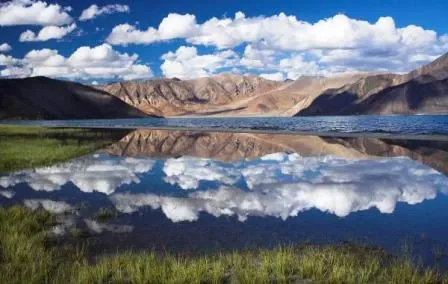
Known for its crystal-clear blue water and dramatic Himalayan landscape, Pangong Lake Ladakh is famous for its mesmerizing ability to change colors throughout the day. Depending on the sunlight and weather conditions, the lake can appear deep blue, turquoise, emerald green, and even shades of purple — making it one of the most photographed destinations in the Himalayas.

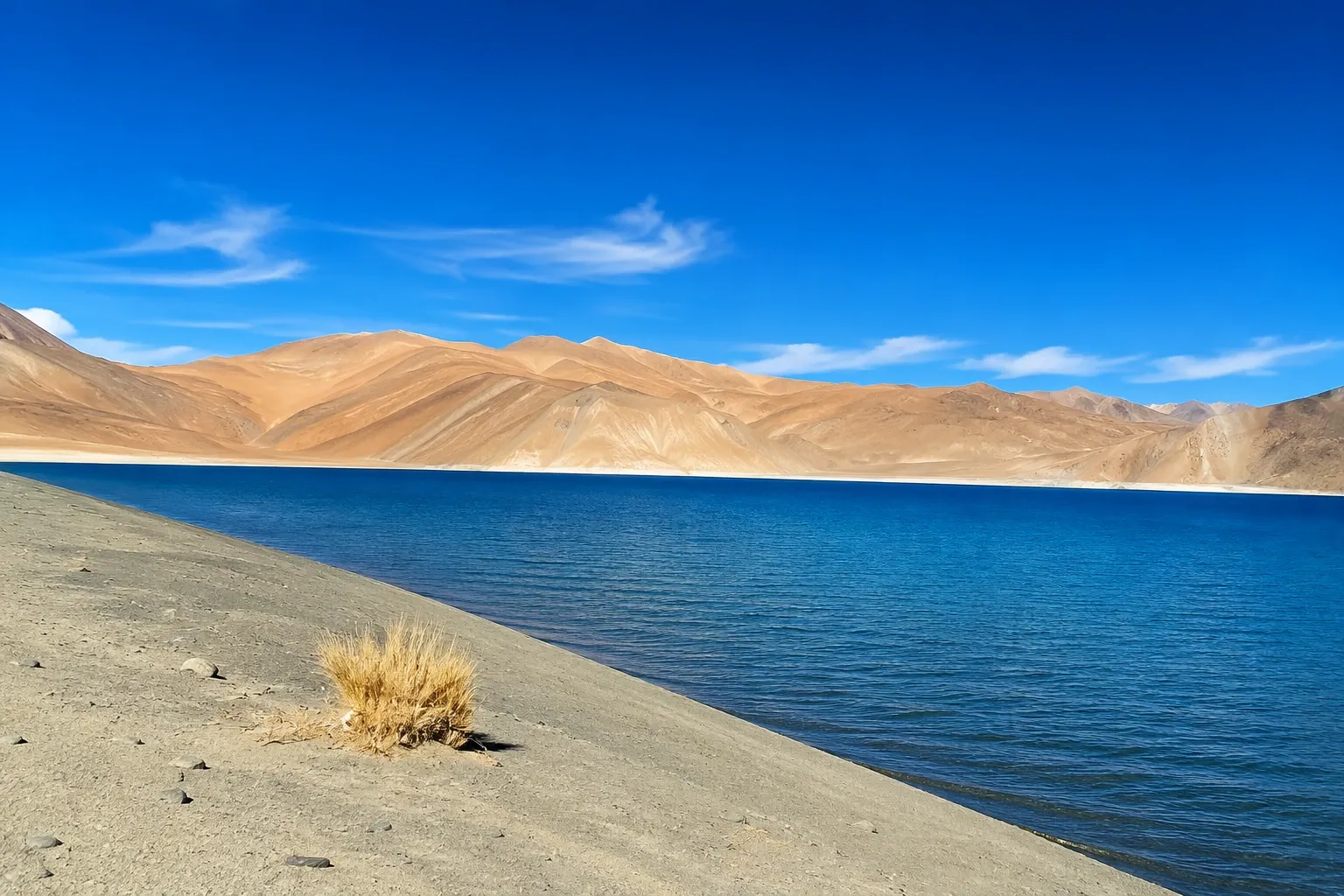
Pangong Lake, India gained worldwide recognition after being featured in the Bollywood blockbuster 3 Idiots, starring Aamir Khan. Since then, it has become one of the most visited tourist attractions in Ladakh, attracting travelers, photographers, bikers, campers, and adventure enthusiasts from around the world.
Today, reaching Pangong Lake from Leh is much easier than before. Travelers can drive via the scenic Chang La Pass, one of the world's highest motorable roads, or combine their journey with Nubra Valley through routes such as Shyok and Wari La, making it an unforgettable road trip across the Himalayas.
Whether you're planning to learn about the Pangong Lake height, check the latest Pangong Lake weather, find the best Pangong Lake hotels, explore Pangong Lake camping options, understand the Pangong Lake permit requirements, or plan your route from Leh, this complete travel guide covers everything you need.
🔗 Explore More on KargilLadakh.in:
🏞 Lakes of Ladakh 📅 Ladakh Itinerary 🧊 Trekking Guide 🛣 Live Road Status 🏔 Suru Valley GuidePangong Lake — Quick Facts at a Glance
Pangong Lake Height, Altitude & Geography
Located at an elevation of 4,225 meters (13,862 feet) above sea level, Pangong Lake is one of the highest and largest high-altitude lakes in the Himalayas. Due to its high altitude, oxygen levels here are around 35–40% lower than at sea level, making proper acclimatization essential before visiting.
Leh sits at an altitude of approximately 3,500 meters (11,483 feet). Travelers should spend at least 24–48 hours in Leh before heading to Pangong Tso to allow their bodies to adjust to the thinner air and reduce the risk of Acute Mountain Sickness (AMS).
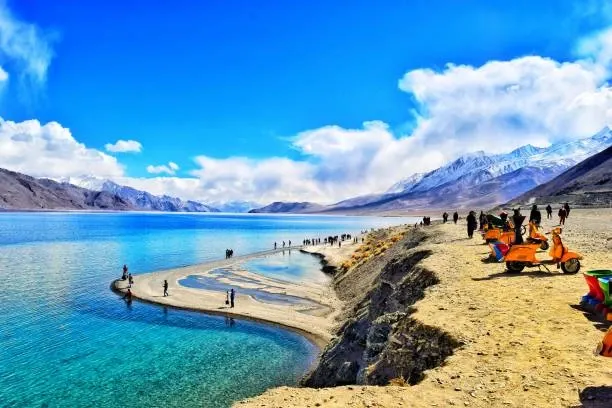
Although the lake stretches for 134 km (83 miles), only about 45 km lies within India, while the remaining portion extends into the Tibet Autonomous Region of China. Pangong Tso is an endorheic (landlocked) saltwater lake, meaning it has no natural outlet to the sea. Over thousands of years, dissolved minerals have accumulated in the water, making it saline despite being fed by glacial streams.
On the Indian side, the lake passes through scenic villages such as Lukung, Spangmik, Man, Merak, and Chushul, each offering spectacular viewpoints, traditional homestays, and camping experiences. The surrounding landscape consists of rugged mountains, barren valleys, and vast open plains, creating one of the most dramatic natural settings in the Himalayas.
Pangong Lake is a saltwater lake because it is endorheic — it has no outlet river. Over centuries, minerals carried by glacial meltwater have accumulated in the lake with no way to drain, making the water saline despite sitting among freshwater glaciers.
Best Time to Visit Pangong Lake
The best time to visit Pangong Lake is from May to September, when the weather is pleasant, roads are open, and most hotels, campsites, and tourist facilities are fully operational. This is also the peak tourist season in Ladakh, so expect larger crowds, especially during June and July.
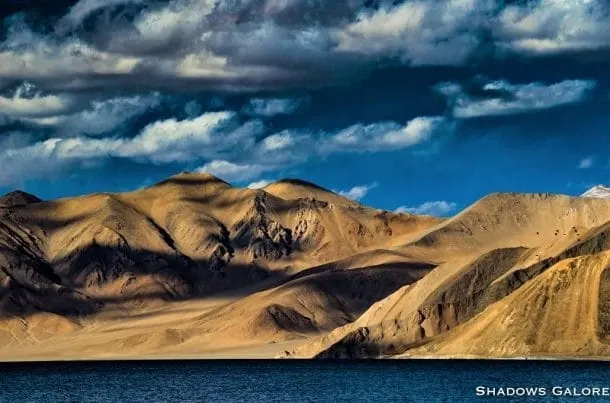
☀️ Peak Season (Jun – Sep)
- Roads fully open via Chang La Pass
- Daytime temps: 15°C – 22°C
- Evenings remain cold (below 5°C)
- Best for photography, camping, biking
- Hotels & camps all operational
- Expect larger crowds; book in advance
🌸 Shoulder Season (Apr – May)
- Fewer crowds, serene atmosphere
- Daytime temps: 5°C – 14°C
- Snow visible on surrounding peaks
- Some camps/hotels may not open yet
- Roads generally accessible from May
- Great for wildlife sightings
❄️ Winter (Oct – Mar)
- Lake freezes — spectacular scenery
- Temperatures drop to −25°C
- Roads may close due to snowfall
- Very few facilities available
- Only for experienced winter travelers
- Magical frozen lake photography
While Ladakh receives very little rainfall, occasional cloudbursts can occur. These may cause temporary roadblocks on the Srinagar–Leh and Manali–Leh Highways. Always check live road conditions before starting your journey.
How to Reach Pangong Lake from Leh
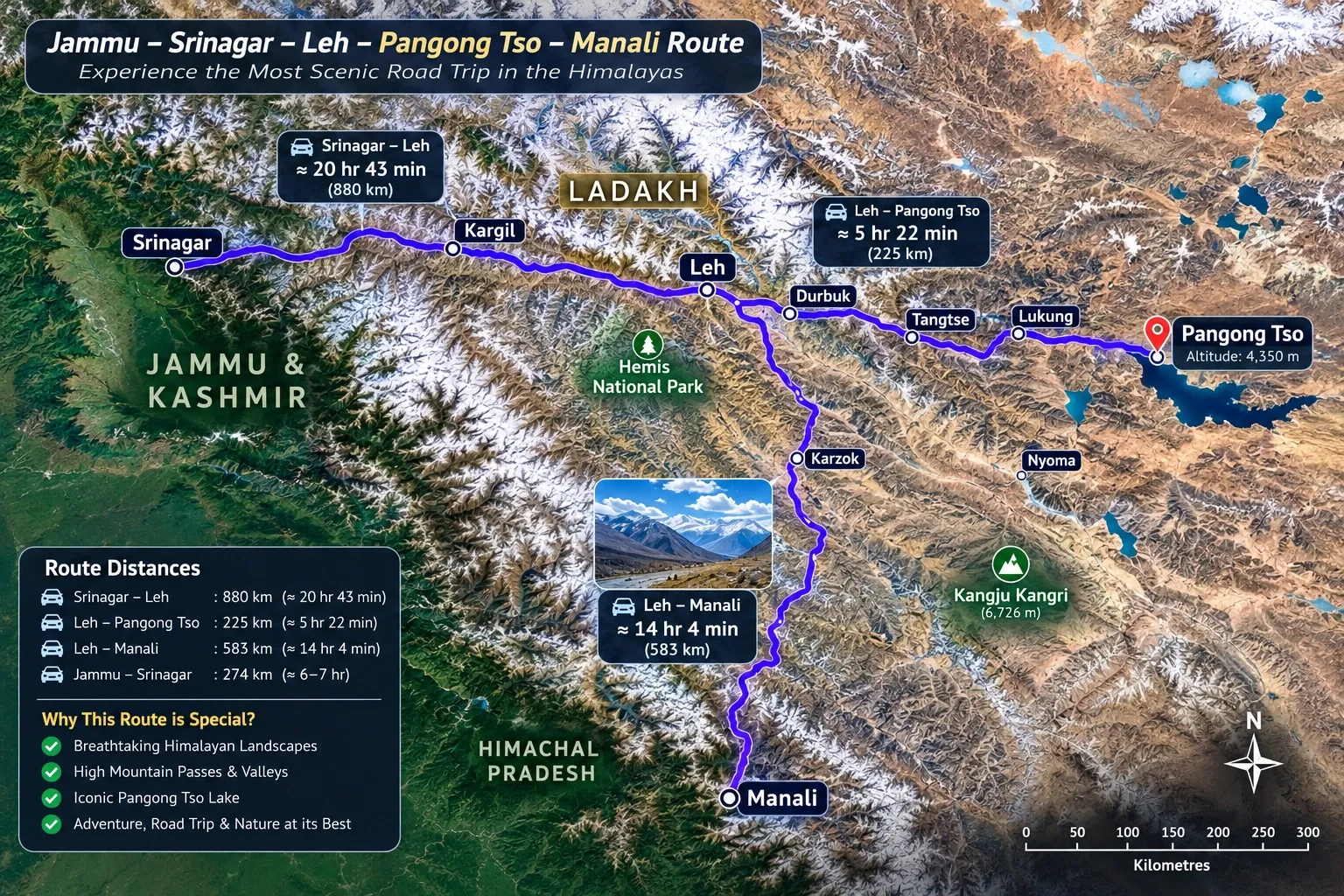
Since there is no airport or railway station near Pangong Tso, the easiest way is to first reach Leh, the capital of Ladakh, and then continue by road. The drive from Leh to Pangong Lake takes around 5–6 hours and passes through the spectacular Chang La Pass (5,360 m / 17,590 ft), one of the highest motorable roads in the world.
Fly to Kushok Bakula Rinpoche Airport (IXL) in Leh (~160–170 km from Pangong). Regular flights connect Leh with Delhi, Srinagar, Jammu & Chandigarh.
Nearest stations: Jammu Tawi or Katra. Travel to Leh by bus or taxi (~875–900 km), then continue to Pangong by road.
Leh → Karu → Sakti → Chang La Pass → Durbuk → Tangtse → Lukung → Spangmik. Distance: ~160–170 km. Time: 5–6 hrs.
Leh → Khardung La → Diskit → Hunder → Khalsar → Shyok → Durbuk → Pangong. Distance: ~275–300 km. Best for a combined Nubra + Pangong trip.
All Routes at a Glance
| Route | Distance | Travel Time | Key Pass |
|---|---|---|---|
| Leh → Pangong (via Chang La) | ~160–170 km | 5–6 hrs | Chang La (5,360 m) |
| Leh → Nubra → Pangong (Shyok) | ~275–300 km | 8–10 hrs | Khardung La (5,359 m) |
| Manali → Leh → Pangong | ~580–600 km | 2–3 days | Tanglang La (5,328 m) |
| Srinagar → Leh → Pangong | ~580–620 km | 2–3 days | Zoji La (3,528 m) |
Always spend at least 24–48 hours in Leh before traveling to Pangong Lake. This significantly reduces the risk of Acute Mountain Sickness (AMS) at 4,225 m. Use our Ladakh Itinerary Planner to schedule your acclimatization days wisely.
Pangong Lake Permit Guide (2026)
Since Pangong Lake is located close to the India–China border, visitors must obtain the necessary travel permits before entering the region. The type of permit required depends on your nationality.
Mandatory for all Indian citizens visiting Pangong Lake, Nubra Valley, Tso Moriri, Hanle, Chushul, and other restricted border areas. Apply online via the official Ladakh administration portal or through a registered travel agent in Leh.
Documents Required: Valid government-issued photo ID (Aadhaar, Passport, Voter ID, Driving Licence), completed application form, travel itinerary.
🌐 Official Portal: www.lahdclehpermit.in
Foreign tourists visiting restricted areas in Ladakh generally require a Protected Area Permit (PAP). These are normally arranged through registered travel agencies in Leh.
Documents Required: Valid passport, valid Indian visa, passport photocopies, passport-size photographs, travel itinerary, group details (if applicable).
If you're visiting Nubra Valley, Hanle, Tso Moriri, or Pangong Lake on the same trip, include all destinations in one permit application. This saves time and avoids multiple applications. Apply at least one day before your trip, especially during peak season.
Carry both a printed and digital copy of your permit. Security personnel check permits at multiple checkpoints on the way to Pangong Lake. Permit rules can change — always verify with the latest government guidelines before travel.
Road Conditions to Pangong Lake
The road conditions from Leh to Pangong Lake are generally excellent, thanks to the outstanding work of the Border Roads Organisation (BRO). Most of the route is well-paved with smooth blacktop roads, making it comfortable for cars, SUVs, motorcycles, and bicycles during the tourist season.
| Road Status | Details |
|---|---|
| ✅ Road Surface | Well-maintained asphalt on most of the route |
| ✅ Suitable Vehicles | Motorcycles, private cars, SUVs, taxis, tempo travellers |
| ✅ Scenic Drive | Through high mountain passes, valleys, and villages |
| ⚠ Water Crossings | Occasional stream crossings during summer snowmelt |
| ⚠ Seasonal Risks | Snowfall, landslides, or maintenance in early/late season |
Weather in the Himalayas can change quickly. Always check the latest road conditions on our Road Status page before starting your journey, especially if traveling in early spring, late autumn, or after heavy rainfall.
Pangong Lake Hotels, Resorts & Camping
Whether you're looking for a luxury stay or a budget-friendly campsite, Pangong Tso offers a wide range of accommodation options. The villages of Spangmik, Lukung, Man, and Merak are home to some of the best Pangong Lake hotels, resorts, camps, and traditional homestays, many of which offer breathtaking lake and mountain views.
Accommodation Price Guide
| Type | Price Range (Per Night) | Best For |
|---|---|---|
| Budget Camps & Homestays | ₹1,000 – ₹2,000 | Backpackers & budget travelers |
| Mid-Range Hotels & Deluxe Camps | ₹3,000 – ₹8,000 | Couples & families |
| Luxury Resorts & Lake-View Camps | ₹10,000 – ₹20,000+ | Premium travelers |
Most accommodations also have in-house restaurants serving Indian, Ladakhi, Tibetan, and Chinese cuisines. Popular local specialties such as Thukpa, Momos, Skyu, Butter Tea, and Maggi are widely available.
If you're planning to visit between June and September, book your Pangong Lake hotels and camping sites well in advance. Accommodation often sells out during the summer months. Online booking platforms and local travel agents in Leh can help.
Local Travel Tips for Visiting Pangong Lake
Planning ahead can make your trip to Pangong Tso safer, more comfortable, and more enjoyable. Here are practical tips from those who know Ladakh best.
Spend at least 24–48 hours in Leh before traveling to Pangong Lake. This reduces the risk of Acute Mountain Sickness (AMS) at 4,225 m altitude.
During peak season (May to September), hotels, camps, and homestays fill up quickly. Always book ahead to avoid last-minute inconvenience.
Carry your regular medicines with basic first-aid supplies. If advised by your doctor, keep medicines for altitude sickness. Portable oxygen cans are available in Leh.
Food choices become limited once you leave Leh. Carry enough drinking water, biscuits, fruits, and dry snacks — especially if traveling with children or elderly family members.
Make sure you have the required Inner Line Permit (ILP) before starting your journey. Keep both printed and digital copies for verification at security checkpoints.
Do not drive off-road or take your vehicle onto the lakebed or surrounding grasslands. Off-road driving damages the fragile Himalayan ecosystem and carries heavy penalties.
Avoid feeding marmots, foxes, birds, or any wild animals. Human food can harm wildlife and alter their natural behavior, affecting the delicate ecosystem around Pangong Lake.
Leave Leh early in the morning to avoid afternoon traffic, enjoy better weather, and reach Pangong Lake before sunset for the best photography light.
Mobile networks and digital payment services may not work reliably in remote areas. Carry sufficient cash for accommodation, meals, fuel, and small purchases.
Avoid single-use plastics, carry your waste back with you, and use designated dustbins. Responsible tourism helps preserve Pangong Tso for future generations.
If you're driving yourself, avoid rushing the journey. The route to Pangong Lake is not just about the destination — it's about enjoying the spectacular landscapes, mountain passes, and villages along the way. Take breaks, stay hydrated, and enjoy one of the most beautiful road trips in the Himalayas.
Nearby Attractions to Pangong Lake
While Pangong Tso is the highlight of eastern Ladakh, several fascinating attractions nearby are worth including in your itinerary. These places offer breathtaking landscapes, rich culture, and unforgettable road-trip experiences.
Situated at 5,360 m (17,590 ft), Chang La is one of the world's highest motorable mountain passes. Most travelers cross this pass on the drive from Leh to Pangong Lake, rewarded with panoramic Himalayan views and snow-covered peaks.
A charming Himalayan village known for its traditional Ladakhi houses, peaceful atmosphere, and stunning mountain scenery. A popular stop for refreshments before reaching Pangong Lake.
The most popular village on the banks of Pangong Tso, offering the largest selection of hotels, camps, homestays, and restaurants. One of the best places to enjoy sunrise and sunset over the lake.
A peaceful lakeside village known for its untouched beauty and fewer crowds. An excellent destination for travelers seeking a quieter experience and authentic Ladakhi hospitality.
Located close to the India–China border, Chushul is historically significant for the 1962 Indo-China War. Access may require additional permits — check latest regulations before visiting.
Many travelers combine Nubra Valley and Pangong Lake in the same itinerary. Nubra is famous for its sand dunes, Bactrian camels, Diskit Monastery, and spectacular mountain landscapes.
Before or after your Pangong trip, explore Leh's attractions — Leh Palace, Shanti Stupa, Hall of Fame, and the vibrant local market. See our Ladakh Itinerary for a complete plan.
Explore the lush green Suru Valley in Kargil district — home to Parkachik Glacier, Nun Kun Peaks, and Rangdum Monastery. A hidden gem in western Ladakh.
📚 Related Guides on KargilLadakh.in:
🏔 Suru Valley Guide 🏞 Explore All Lakes 📅 Plan Your Ladakh Trip 🧊 Ladakh Treks 🛣 Road Status 2026Frequently Asked Questions — Pangong Lake 2026
1. Where is Pangong Lake located?
2. Why is Pangong Lake salty?
3. Can we stay at Pangong Lake?
4. How many days are enough for Pangong Lake?
5. Is a permit required to visit Pangong Lake?
6. Why is Pangong Lake famous?
7. Is Pangong Lake a freshwater lake?
8. Can you swim in Pangong Lake?
9. Which is the best time to visit Pangong Lake?
10. Is a mobile network available at Pangong Lake?
11. Can I visit Pangong Lake and return to Leh on the same day?
12. Does Pangong Lake freeze in winter?
13. Can I ride a bike to Pangong Lake?
14. Is Pangong Lake suitable for family trips?
15. What is the height of Pangong Lake?
Conclusion
Pangong Tso is much more than just a beautiful lake — it's an unforgettable experience that showcases the raw beauty of the Himalayas. From its mesmerizing blue waters and dramatic mountain landscapes to thrilling road trips across Chang La Pass, every moment at Pangong Lake leaves a lasting impression.
Whether you're planning a bike expedition, a family vacation, a camping adventure, or a photography tour, Pangong Lake Ladakh offers something for every traveler. With proper acclimatization, the necessary permits, and a well-planned itinerary, your journey to one of India's most iconic high-altitude lakes will be both safe and memorable.
If you're exploring Ladakh, don't stop at Pangong Lake. Combine your trip with destinations like Suru Valley, Nubra Valley, Tso Moriri, Hanle, Kargil, and Zanskar to experience the incredible diversity of this Himalayan region. Use our Ladakh Itinerary Planner to design the perfect trip.
We hope this complete Pangong Lake Travel Guide 2026 has answered all your questions and helps you plan the perfect trip. Safe travels, respect nature, and enjoy the breathtaking beauty of Pangong Tso. 🏔
💬 Traveler Q&A & Shoreline Discussions (1)
Planning an overnight stay at Pangong Tso or navigating Chang La? Ask below and get direct advice from our mountain guides.
Leave a Field Note or Ask a Question